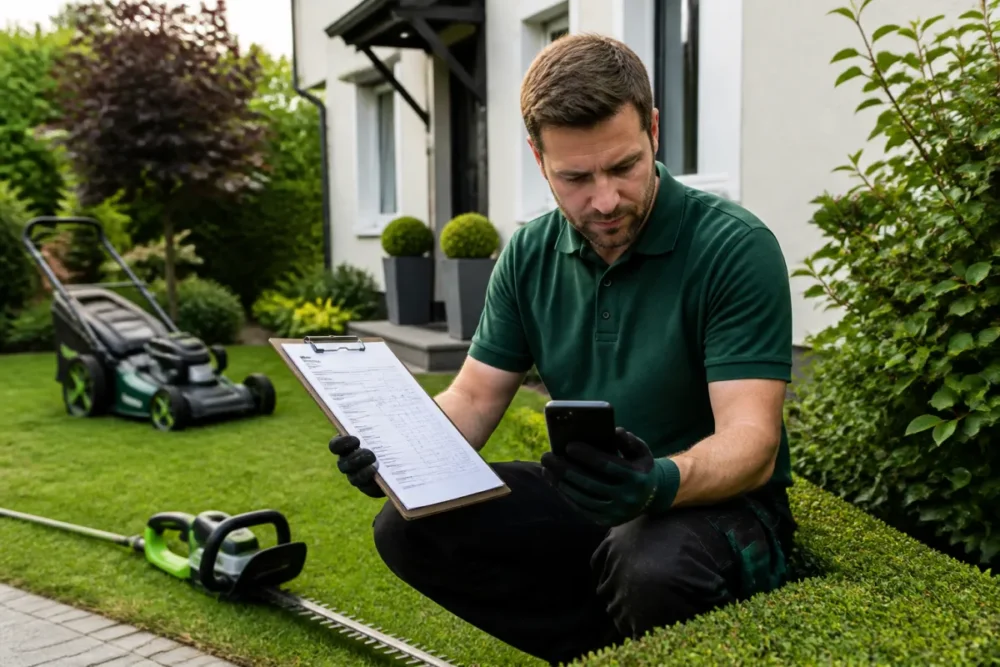
Slugs in the vegetable garden don’t just appear by chance among the lettuces: they follow moisture, cool shelters, and young tissues that are easy to nibble. The real issue is therefore not to declare war on every moving slug, but to understand why your lettuces turn into a nighttime buffet. Good news: by acting on the environment, plant protection, and beneficial organisms, we can limit the damage without resorting to chemical arsenal.
Table des matières
In brief
🥬 Lettuces attract slugs because they are tender, low-growing, rich in water and often planted in regularly watered areas.
🌧️ The trio that triggers attacks: persistent moisture, ground shelters, and vulnerable young plants, especially after rain or evening watering.
🛡️ The best natural slug control combines prevention, physical barriers, occasional handpicking, and regulation by predators.
🐌 Realistic goal: limit damage in the vegetable garden, not eliminate all slugs, as some also contribute to the decomposition of organic matter.
Why do slugs invade the vegetable garden?
In practice, the same scenario is often observed: a row of lettuces transplanted the day before, a mild and humid night, then in the morning holes in the leaves, sometimes even plants stripped bare. This is not a “mysterious” attack. Slugs are mainly nocturnal, seek cool areas, and move more easily when the soil remains moist.
Not all species cause the same damage. The large red slug, Arion rufus, can exceed 10 cm, while the garden slug, Arion hortensis, is rather 3 to 4 cm and consumes both aerial parts and roots. The small grey slug, or field slug, Deroceras reticulatum, is about 3 to 5 cm and attacks vegetation extensively. In other words, not all visible slugs play exactly the same role in the garden.
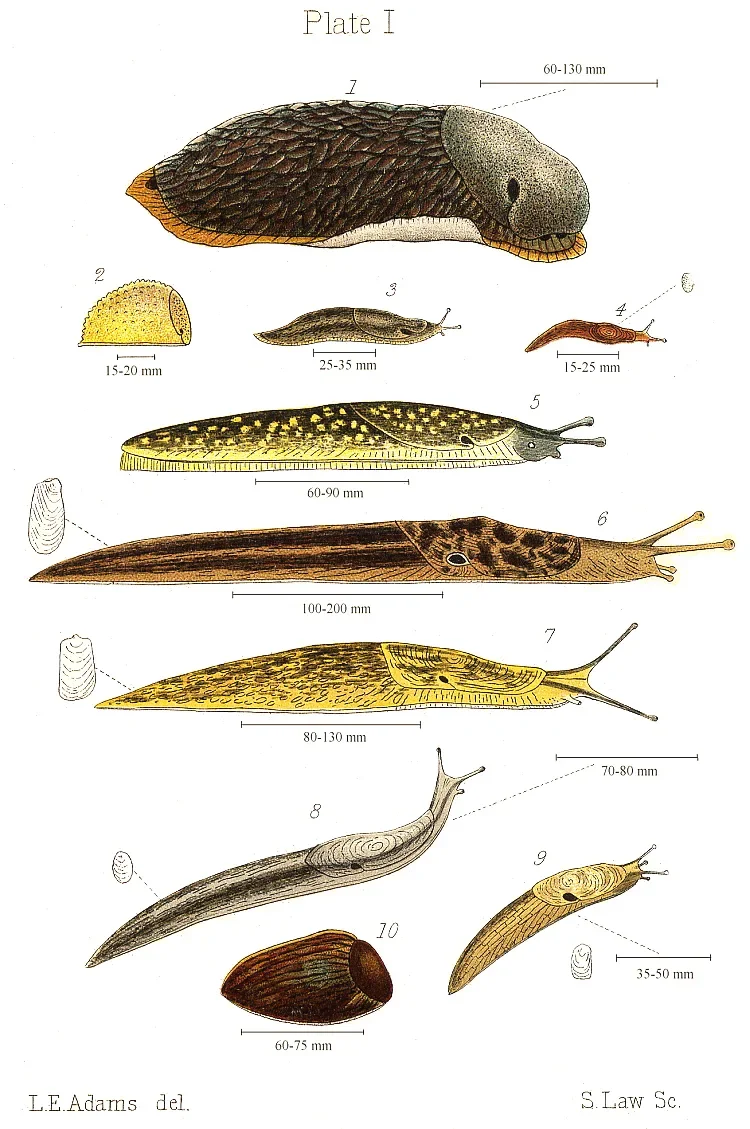
An important point is too often forgotten: slugs are not only “pests.” They also participate in the decomposition of organic matter and the dispersal of certain fungi. This is why a sustainable approach aims more at regulation than eradication. The resources of the National Inventory of Natural Heritage of the National Museum of Natural History also emphasize the importance of identifying species rather than thinking in broad terms.
Moisture, the primary triggering factor
A moist vegetable garden is a slug paradise. Cool soil limits their drying out, low leaves give them direct access, and dark corners become daytime shelters. After a dry period, rain or a humid warm spell can be enough to restart their activity. That’s why damage sometimes seems to explode overnight.
Mulching illustrates this nuance well. It protects the soil, feeds microbial life, and limits evaporation, but a compact, thick, and poorly ventilated mulch can also provide an ideal shelter for slugs. Joking aside, mulch is not “the problem” in itself: it is its use around very young plants, during humid periods, that needs to be adjusted.
Are lettuces really more vulnerable?
Yes, and for very simple reasons. Lettuces have tender leaves, close to the ground, with a high water content. Young transplanted plants combine all the disadvantages: they are stressed, poorly rooted, and unable to quickly compensate for significant leaf loss. For a slug, a young lettuce is like an open door with a red carpet.
Damage on lettuces is easily recognized: holes in leaves, nibbled edges, cut seedlings, or plants that almost entirely disappear. Cabbages, radishes, spinach, sunflowers, very young tomatoes, and lettuces are also among the often affected crops. The difference is that lettuce is low, tender, and generally grouped in well-watered rows: everything needed to concentrate attacks.
Against slugs in the vegetable garden, the question is not “which magic trick to use?”, but “what factor makes my lettuces so easy to reach?”.
Management mistakes that worsen pressure
Slug pressure often increases because of small harmless actions. Watering in the evening, leaving boards on the ground, keeping moist plant debris against the rows, or compacting mulch around lettuces creates a very favorable environment. It’s not dramatic, but you need to know it to regain control.
- Evening watering: it maintains moisture during the period when slugs come out.
- Too compact mulch: it keeps coolness but also creates hiding places.
- Boards, cardboard, and flat stones: useful as trap-refuges, problematic if never lifted.
- Weak or too young transplanted plants: they resist initial bites less.
How to protect lettuces from slugs without chemicals?
Natural slug control works better when it follows a logical order: first make the vegetable garden less welcoming, then protect sensitive plants, then establish sustainable regulation with beneficial organisms. If you start directly with traps, you treat the symptom without correcting the causes. And then, the slugs come back. Again and again.
The principles of integrated protection, highlighted in approaches like EcophytoPIC, the reference portal on integrated crop protection, are precisely based on this hierarchy: observe, prevent, intervene with the least impactful methods, then only complement if necessary. In amateur vegetable gardening, this logic remains very relevant.
Act first on the environment
The first lever is to change the comfort conditions for slugs. Water rather in the morning, especially in spring and autumn, so that the soil surface dries before night. Slightly move the mulch away around young lettuces during their first two weeks of establishment. Aerate the rows to avoid confined zones, and avoid piling plant debris or overturned pots right next to fragile plants.
In a sloping garden, low or poorly stabilized areas can retain water longer, creating a microclimate favorable to slugs. If your land accumulates moisture in the same spot, work on drainage, borders, or terraces can help; this guide on landscaping a sloping garden offers good ideas for creating a more sustainable space.
- Water in the morning, at the base of the plants, without soaking the entire planting bed.
- Thin out around the lettuce to limit humid shelters.
- Regularly lift boards or cardboard used as trap shelters.
- Transplant vigorous plants rather than overly tender seedlings.
- Systematically monitor after rain or a mild night.
Physically protect young plants
Physical barriers are useful, provided you see them as an aid, not an invincible fortress. Collars, ventilated cloches, mini-protections around lettuces, and dry edges can reduce attacks, especially during the critical transplanting phase. The cherry on top: they prevent having to do a nightly slug hunt by hand every evening.
The limitation? A slug barrier only works if it is clean, continuous, and adapted to the context. If leaves touch the ground outside the protection, they form a bridge. If the slug is already inside the protected area, you are basically offering it both shelter and food. Therefore, the protection must be installed on inspected soil, then checked after rains.
| Natural method | When to use | Strength | Limitations to know |
|---|---|---|---|
| Morning watering | Spring, autumn, humid periods | Reduces nighttime humidity | Less effective in very shaded soil |
| Collars or barriers | Young transplanted lettuces | Direct protection of fragile plants | Must be inspected after rain |
| Manual collection | After rain, early morning or dusk | Immediate effect on local pressure | Requires regularity |
| Boards or cardboard shelters | Areas with high presence | Facilitates capture and removal | Becomes a shelter if forgotten to be lifted |
| Natural predators | Management over several seasons | Durable regulation | Progressive results, not instant |
To visualize protective actions, a field video is often more illustrative than a long speech: installing collars, inspecting after rain, and spotting hiding places become much easier to understand with images.
Regulate without chemicals thanks to auxiliaries
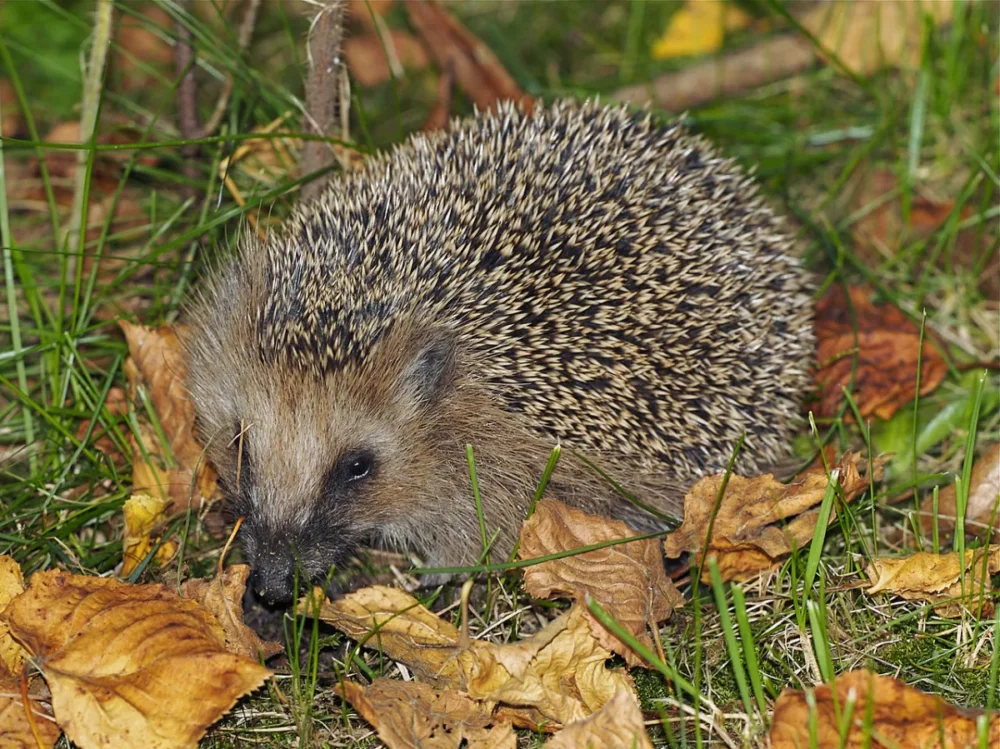
Auxiliaries are the whipped cream on the cherry, but not a magic wand. Ground beetles, birds, hedgehogs, lizards, and slow worms can help limit slug populations. To attract them, habitats are needed: diverse hedges, unmown areas, well-placed wood piles, controlled dead leaves, secure water points. In other words, a garden that is too “clean” may lack predators.
The European hedgehog, for example, is often cited as a gardener’s ally. It doesn’t eat only slugs, of course, but it contributes to the overall balance. The recommendations of the French Biodiversity Office go in this direction: preserving varied habitats helps small fauna play their role in gardens and green spaces.
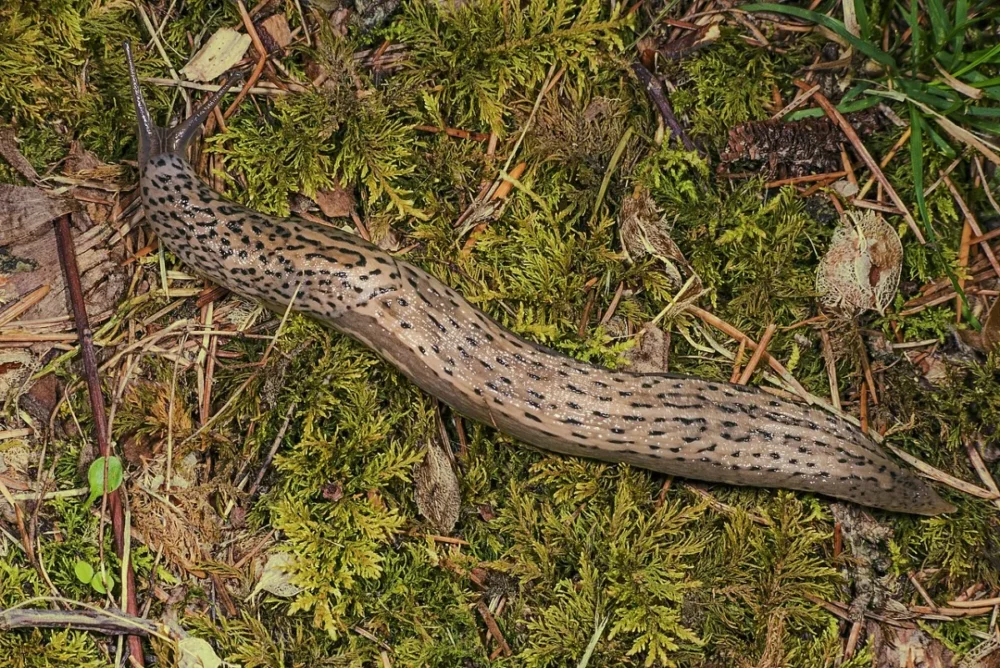
The tiger slug, Limax maximus, also deserves a special mention. Unlike small slugs that are very active on young plants, it mainly consumes decomposing vegetation and can devour other slugs. Systematically eliminating it would therefore be counterproductive in a balanced strategy.
Which slug control tips really work, and which should be taken with caution?
Not all slug control tips are equal. The most reliable are those integrated into a strategy: picking after rain, controlled refuge traps, protecting young plants, and managing moisture. Isolated remedies, like ash, eggshells, or coffee grounds, yield very variable results.
Manual picking remains one of the most direct methods. Yes, it’s not glamorous. But early in the morning, at dusk, or after rain, it allows for quickly reducing the population around sensitive areas. The idea is not to spend your life with a headlamp in the garden, but to intervene at the right time, when slugs are truly active.
Boards, cardboard, or flat stones can also serve as refuge traps. Slugs shelter there during the day; simply lift these supports regularly to capture and remove them. Be careful though: if you install these refuges without checking them, you create a three-star hotel for gastropods. Not exactly the goal.
A natural method is only effective if it is sustained over time and adapts to your soil, your weather, and your way of gardening.
Beer trap, cornstarch, ash: useful or gimmick?
The beer trap attracts slugs, which can drown in it. It can therefore locally reduce their number, but it has a major limitation: it also attracts slugs from the surroundings if the trap is poorly placed. It must be emptied and renewed often, otherwise it becomes dirty, smelly, and unattractive. Use it occasionally, away from lettuces, never as the sole defense.
The cornstarch trap is sometimes mentioned: slugs consume it, which would cause their stomach to swell and kill them. This method circulates among gardener tips, but it should remain secondary, as its effectiveness depends greatly on conditions. As for ash, eggshells, and coffee grounds, their barrier effect decreases sharply with humidity. Yet, precisely, slugs come out when it is humid. That’s the catch.
And pellets usable in organic gardening?
Some gardeners mention pellets based on ferric phosphate, often presented as compatible with organic gardening depending on the products and authorized uses. They do not follow the same logic as mechanical or ecological actions: they are baits. If you use them, strictly follow the label, doses, and precautions for pets and beneficial wildlife. In this article, priority is deliberately given to natural solutions against slugs based on environment and prevention.
What strategy should be adopted over a week to limit damage in the vegetable garden?
Over a week, the best strategy is to observe the risk areas, correct the main causes, and then protect the most vulnerable plants. This short cycle avoids improvised reactions and allows you to quickly see if moisture, shelters, or plant weakness explain the attacks.

Day 1 and 2, observe. Spot the holes in leaves, mucus traces, constantly damp areas, and possible shelters: edges, stones, boards, thick mulch, abandoned pots. Look especially around the youngest lettuces, as they best indicate the real pressure.
Day 3 and 4, correct the causes. Water in the morning, move mulch away from the stems, lift the boards, and aerate the rows. If your soil remains heavy and cool, avoid multiplying hiding places around the plants. In a very damp vegetable garden, a simple change in watering can already alter the nocturnal dynamics.
Day 5 to 7, protect. Install collars around the most fragile lettuces, inspect protections after rain, and collect visible slugs at dusk. If you sow lettuces, plan a small margin: sowing a bit more than needed can compensate for losses, provided you don’t turn the vegetable garden into a permanent open bar.
- Observe the damage and shelters before acting.
- Reduce nocturnal moisture around the lettuces.
- Protect young plants during their most fragile phase.
- Regulate with targeted collection and natural auxiliaries.
- Adjust according to the weather rather than following a fixed recipe.
Should you try to eliminate all the slugs from the garden?
No, eliminating all slugs is neither realistic nor desirable. They play a role in decomposing organic matter, and some species are hardly problematic, even useful. The right goal is to protect sensitive crops, especially young lettuces, while maintaining ecological balance.
This nuance changes everything. A living vegetable garden contains slugs, but they should not decide the menu alone. The most coherent approach is to focus efforts on critical periods: sowing, transplanting, wet spring, mild autumn. The rest of the time, it is better to strengthen biodiversity and avoid unnecessarily disturbing the soil.
Natural methods also have their limits. In a very shaded garden, on heavy soil, after several weeks of rain, pressure can remain strong despite good practices. You then have to accept a combined strategy: more developed plants, temporary protections, targeted collection, less sensitive crops on the edges, and lettuces planted in the best-drained area.
Conclusion: the right strategy against slugs in the vegetable garden
Prevention is better than improvised fighting. Slugs target your lettuces because the young tender leaves, moisture, and shelters make life easier for them. To regain control, start by watering at the right time, reducing hiding places near the plants, protecting freshly transplanted lettuces, and encouraging natural predators.
Traps, barriers, and collection have their place, but they work best when complementing a global understanding of the vegetable garden. In short: less nocturnal moisture, fewer unnecessary shelters, stronger plants, and more auxiliaries. This is a strategy less spectacular than a miracle recipe, but much more solid over time.
Key takeaways
- 🥬 Lettuces attract slugs because they are tender, low, and rich in water.
- 🌧️ Nocturnal moisture and ground shelters often trigger major attacks.
- 🛡️ Barriers mainly protect young plants, provided they are well checked.
- 🐞 Ground beetles, hedgehogs, birds, and slow worms regulate slugs in the long term.
- 🔎 Isolated tips work less well than a combined and regular strategy.
FAQ
Why do my lettuces disappear overnight?
Young lettuces can be quickly eaten down when several slugs come out after rain or evening watering. The seedlings have few reserves and their tender leaves are very accessible, especially if mulching or plant debris provide shelters right next to them.

Should mulching be avoided if I have many slugs?
Not necessarily. Mulching remains useful for the soil, but it needs to be adapted: avoid a too compact layer around young lettuces and temporarily remove it after transplanting. In very humid areas, it is better to mulch more lightly and monitor after rain.
Are beer traps really ecological?
They can capture slugs, but they do not address the root cause of the problem and can attract individuals from the surroundings. Use them occasionally, away from the lettuces, and check them often. A strategy based solely on beer is rarely sustainable.
When should slugs be picked by hand?
The best times are dusk, a mild and humid night, or early morning after rain. Handpicking is especially useful during the 7 to 10 days following lettuce transplanting, when the plants are most vulnerable.
Is the leopard slug dangerous for the vegetable garden?
The leopard slug, Limax maximus, is often rather useful, as it mainly consumes decomposing matter and can eat other slugs. Before removing all visible slugs, it is better to identify those that really cause problems around young crops.