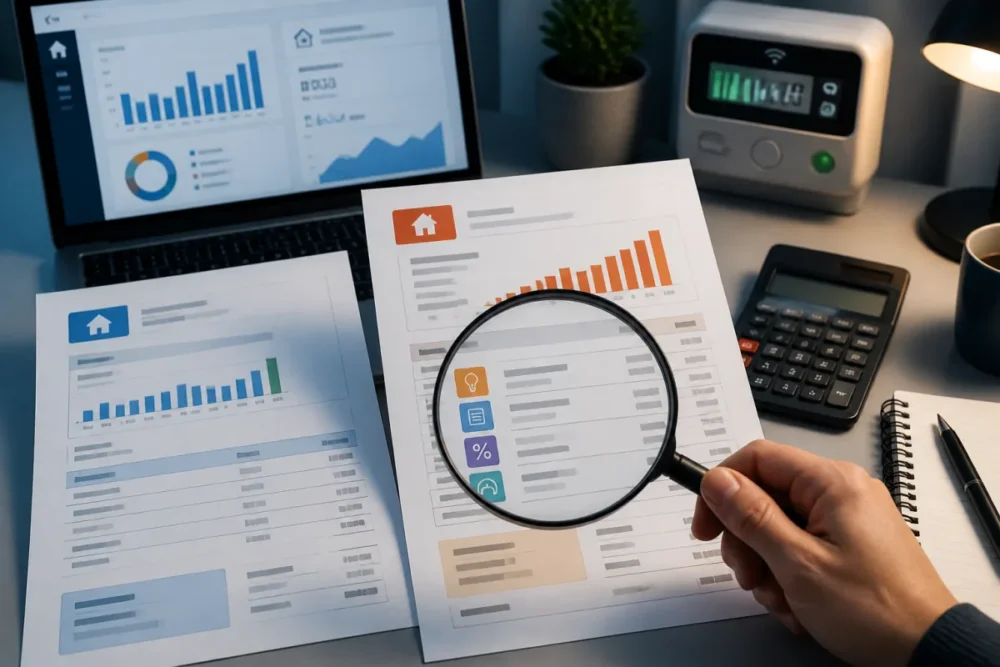
An electricity bill that suddenly spikes rarely provides a clear explanation at first glance. The total amount stands out, yes, but the real question often lies elsewhere: consumption in kWh, subscription, taxes, meter estimation, adjustment, or change in tariff option. To analyze your electricity bill without getting lost in technical details, you need to stop looking only at the amount to pay and trace back, item by item.
The thesis is simple: an increase is not necessarily an anomaly, but it must always be explainable. A bill that is too high becomes suspicious when the kWh, indexes, or billing period no longer match the actual usage of the home. Here is a practical reading method, designed to check quickly, understand calmly, and know when to contact your supplier.
Table des matières
In brief
⚡ An electricity bill is first read in three blocks: subscription, consumption in kWh, and taxes. The total amount alone is never enough to identify the source of an increase.
🔎 The best reflex is to compare the billed kWh with an equivalent period, ideally the bill from the previous year in the same season. An increase in winter can be normal; an increase without a change in usage deserves verification.
🧾 The type of reading matters a lot: Enedis reading, customer self-reading, or estimate. An estimated bill can create a discrepancy, then sometimes a hefty adjustment.
🚨 The most useful warning signs: inconsistent index, unusual billing period, unanticipated option change, unsuitable subscribed power, or consumption that jumps without visible cause.
Why can an electricity bill increase without an obvious anomaly?
An electricity bill can increase due to a rise in energy price, higher consumption, a longer billing period, an adjustment after estimation, or taxes. To spot an abnormal increase, you need to compare the kWh, check the type of reading, and verify the meter indexes.
The classic trap is confusing increase in amount with increase in consumption. Two bills can show a €40 difference without the home having consumed much more: a modified subscription, a heavier tax, an adjustment, or a change in period is enough. Conversely, a stable kWh price can mask a real drift if the consumed volume explodes.
In practice, individuals first notice the debit or balance to pay. It’s human. But serious analysis starts further down, in the details: number of billed kWh, old index, new index, type of reading, tariff option, subscribed power in kVA, and any adjustment lines. Joking aside, this is where the bill really speaks.
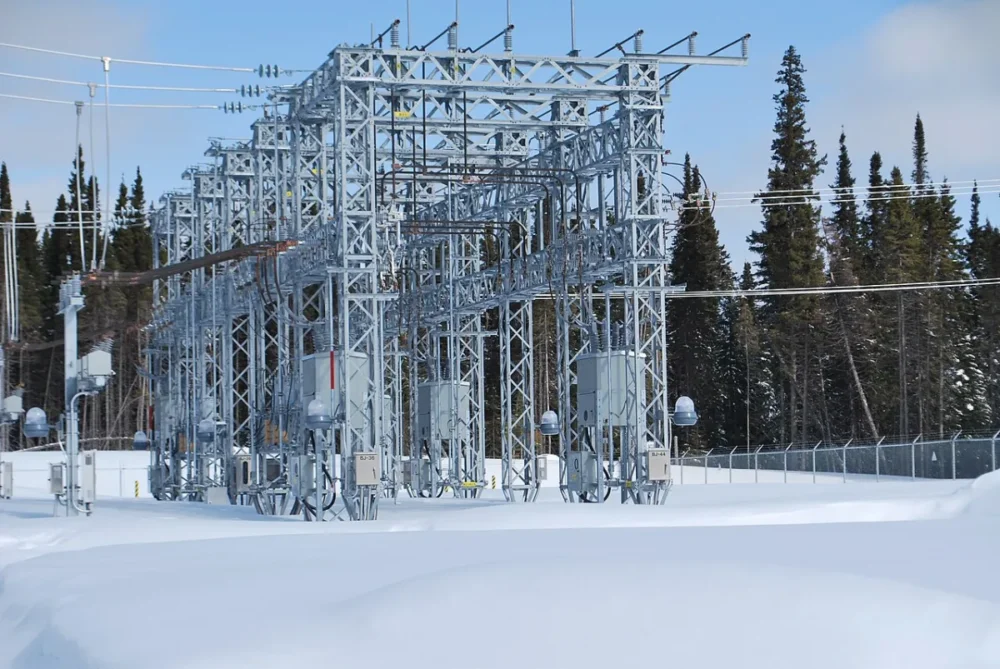
The electric grid also explains part of the bill: electricity is not only produced, it is transported, distributed, measured, and regulated by public rules. This reality is reflected in the lines related to subscription, transport, distribution, and mandatory levies.
How to understand the structure of an electricity bill?
To understand an electricity bill, separate the fixed part, the variable part, and the levies. The fixed part corresponds to the subscription, the variable part to the kWh consumed, and the taxes include notably the Excise, the CTA, and the VAT. This separation allows identifying the real origin of an increase.
An electricity bill may seem compact, but it follows a fairly stable logic. According to the information generally required and presented by suppliers, it must show the customer number, the name of the holder, the address of the consumption site, the billing address if different, the commercial name of the offer, the tariff option, the subscribed power, and the Delivery Point.
The Delivery Point, or PDL, deserves special attention: it is a unique number with 14 digits that identifies the dwelling on the network. It does not designate the person, but the physical point supplied. In other words, if you move, you change the PDL; if you simply change supplier in the same dwelling, the PDL remains the same.
The subscription: the fixed line that moves little but counts a lot
The electricity subscription corresponds to the fixed part of the contract. It depends notably on the subscribed power, expressed in kVA, for example 3 kVA or 6 kVA for some dwellings. The higher this power, the more the dwelling can operate devices simultaneously without tripping, but the subscription can weigh more.
This is why the subscription is sometimes underestimated in the analysis. For low consumption, it can represent a significant part of the total bill. A lightly occupied studio, a secondary residence, or a very frugal dwelling may pay relatively high compared to its kWh, simply because the fixed part does not decrease at the same rate as usage.
Consumption in kWh: the line to watch first
Consumption is expressed in kilowatt-hours, or kWh. It corresponds to the difference between two meter readings: the old reading and the new reading. It is often the most useful line to spot an electricity bill increase really linked to the dwelling’s usage. If the kWh increase significantly, the cause is probably heating, hot water, cooking, household appliances, teleworking, or an energy-hungry device.
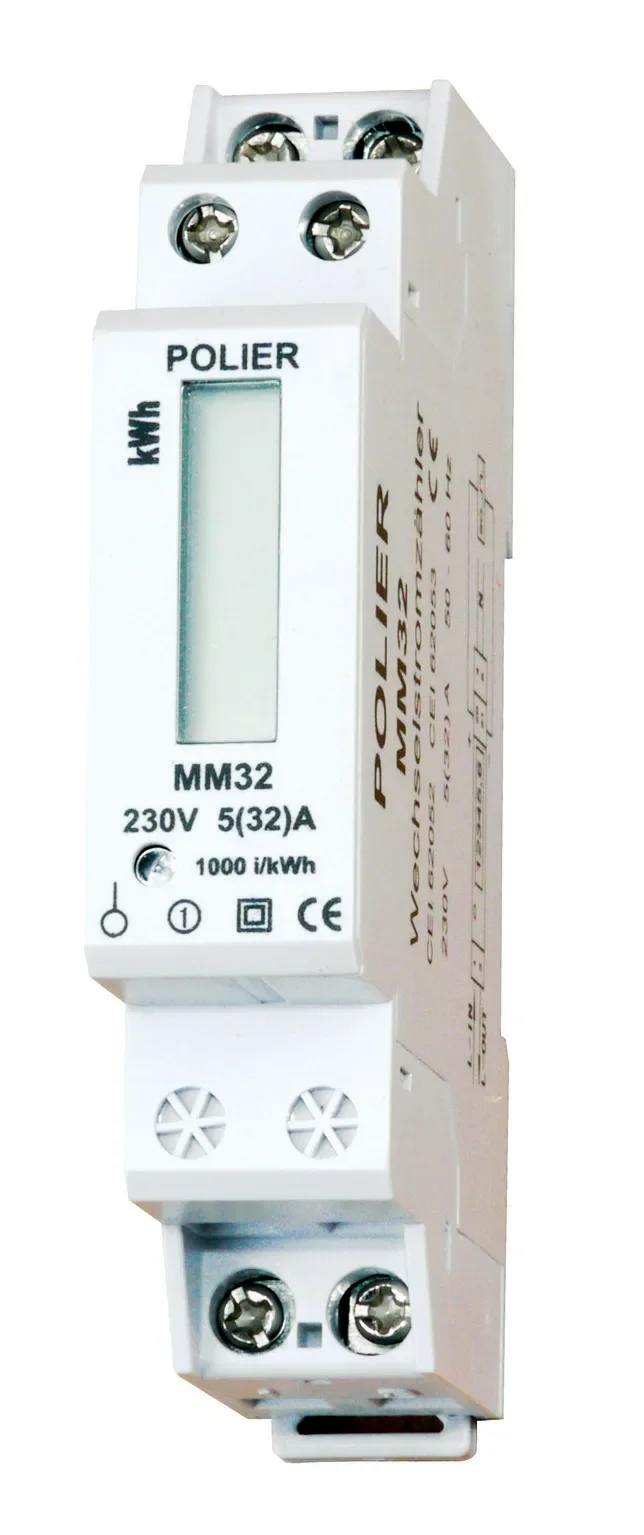
An electric meter is precisely used to materialize this consumption. On a smart meter like Linky, the reading can be transmitted automatically; on other installations, the supplier may rely on a reading, a self-reading, or an estimate.
Taxes, contributions, and adjustments: the least intuitive part
Electricity taxes include notably the CTA, the Excise, and the VAT. They may appear as separate lines or be included in subtotals depending on the supplier’s presentation. This is the least “visible” part in daily usage: you do not consume a tax by turning on your oven, but it still appears in the final amount.
Optional subscribed services may be added to this, for example assistance or repair plans depending on the suppliers. These lines are not always huge, but they can blur the reading if one only tries to link the amount paid to the kWh consumed.
| Invoice line | What it means | To check in case of increase |
|---|---|---|
| Subscription | Fixed part linked to the contract and power in kVA | Modified power, changed option, unsuitable contract |
| Consumption in kWh | Variable part calculated from the indexes | Difference with the previous year, use of heating, meter index |
| Taxes and contributions | Mandatory levies such as CTA, Excise and VAT | Variation of the total excluding usage, regulatory or presentation change |
| Adjustment | Adjustment between estimate and actual consumption | Previously estimated bills, monthly payment, recent actual reading |
| Optional services | Assistance, repair or subscribed guarantees | Service added, renewed or forgotten in the contract |
What signs show that an increase is normal rather than worrying?
An increase seems normal when it corresponds to a season, a longer billed period, a truly higher consumption, or an identifiable adjustment. It becomes more worrying if the kWh increase without change in usage, if the indexes do not match the meter, or if the bill is based on an estimate clearly far from reality.
The first sign is the season. A home heated by electricity often consumes more in winter; an increase on a bill covering January or February therefore does not have the same meaning as an increase over a mild period. In other words, comparing April with January does not help much. It is better to compare January with January, or at least two periods where usage is similar.
The second sign is the nature of the reading. Suppliers can issue a bill based on three main types of readings: a meter reading carried out by Enedis, a reading transmitted by the customer, or an estimate when no reliable reading is available and there is no communicating transmission. An estimate can be convenient, but it can also create a discrepancy.
It is observed in practice that many disputes begin after an adjustment bill. The household had paid relatively stable monthly installments, then an actual reading caught up several months of difference between estimated consumption and actual consumption.
In case of monthly billing, this mechanism is common: the customer pays regular installments, then the annual bill adjusts the difference between what was estimated and what was actually consumed. If the installments were too high, a refund may occur; if they were too low, an additional payment is requested. Not very glamorous, but crucial to understand.
To visualize the logic, a Sankey diagram nicely illustrates the idea of flows: a total expense is divided among several branches, such as subscription, consumption, taxes, and adjustments. Applied to the bill, this reasoning avoids looking for a single cause where several lines accumulate.

The amount to pay gives the alert; the kWh, the indexes and the type of reading provide the explanation.
How to Spot an Unusual Increase on Your Electricity Bill?
To spot an unusual increase, first look for an unusual difference in kWh, then check the consistency of the readings with the meter. Next, verify the billed period, the presence of an adjustment, the tariff option, and the subscribed power. A probable anomaly often combines several signals, not just a single isolated figure.
The strongest signal remains the gap in kWh consumption. If your home suddenly consumes much more while neither heating, hot water, household composition, nor time spent at home have changed, you need to investigate. A faulty appliance, a poorly adjusted water heater, a radiator left on, or a reading error can cause very noticeable discrepancies.
The Linky meter, when installed, facilitates monitoring by allowing more regular reading updates and, depending on the available interfaces, a finer reading of consumption. It does not exempt you from checking your bill, but it reduces some blind spots related to prolonged estimates. According to Enedis, the communicating meter is mainly used to transmit consumption data and simplify certain remote interventions.
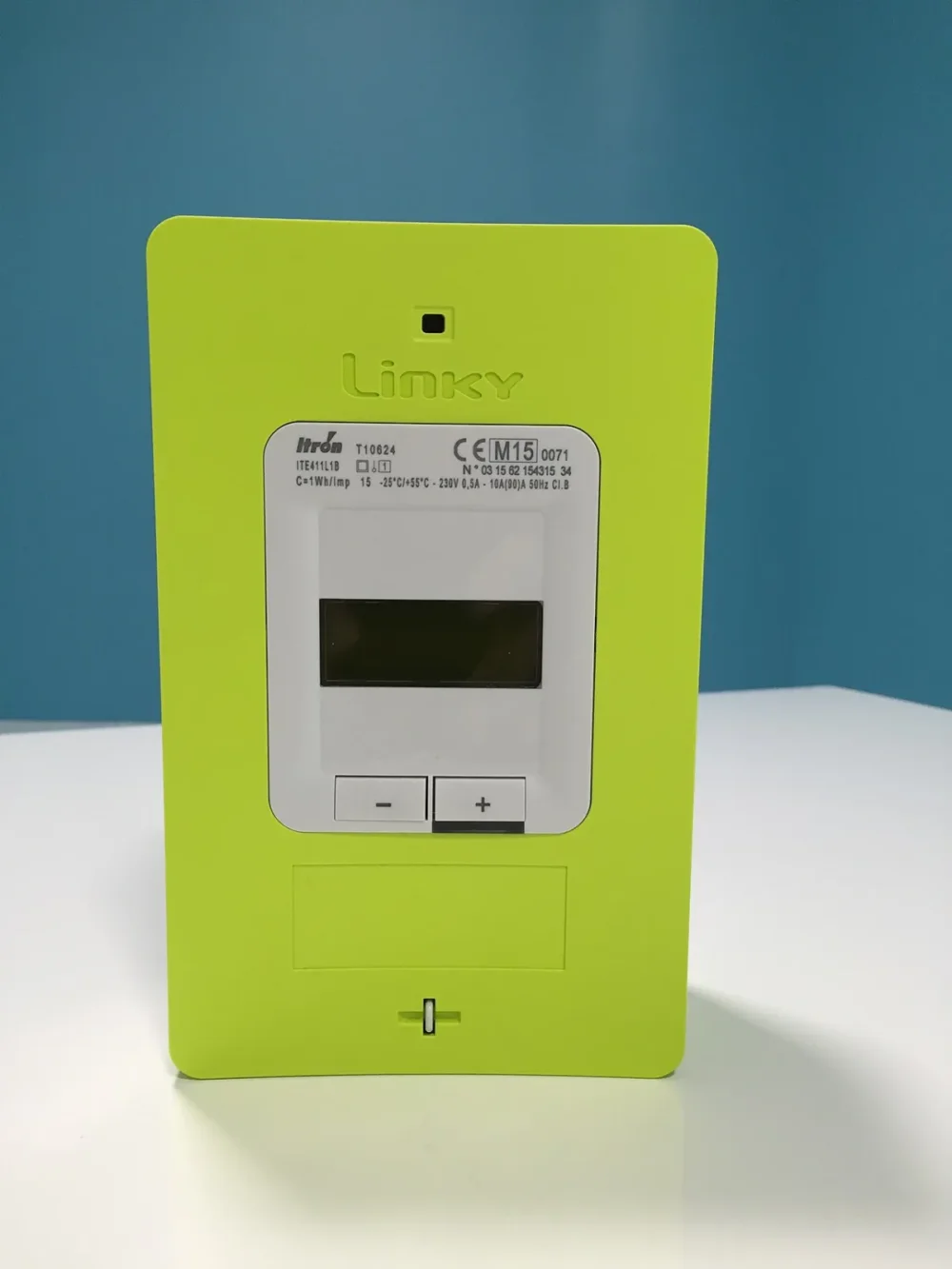
Another alert: a discrepancy between the bill and the reading displayed on the meter. If the new billed reading seems higher than the visible reading, or if the indicated period does not match your occupancy dates, the bill deserves verification. Good to know: the place of consumption and the billing address can be different, which can also create confusion during a move or for a secondary residence.
Here are the signals that should raise an eyebrow, without panicking:
- kWh sharply increased without new equipment, without a harsh winter, and without changes in habits;
- estimated bill while the meter shows a very different reading;
- high adjustment after several monthly installments that were too low;
- unusual billing period, longer or poorly defined;
- changed tariff option, for example switching or misuse of peak/off-peak hours;
- subscribed power no longer matching the home or usage.
What Method to Apply to Investigate Without Getting Lost?
The right method is to reread the key information, compare with equivalent periods, check the meter, then contact the supplier if the discrepancy remains unexplained. The goal is not to become an energy expert, but to gather enough factual elements to distinguish a logical increase from a possible error.

Start by isolating the information that really matters. You can set aside marketing blocks or general messages from the provider. What you need are the period, the indexes, the kWh, the type of reading, the amount before tax, the taxes, the subscription, the tariff option, and the subscribed power. This is your dashboard.
Next, compare. Not only with the previous bill, as it may cover a different season. Also compare with the bill from a year earlier, for a similar period. In the provider’s online customer area, it is generally possible to consult past bills and schedules. The practical sheets from the public service Énergie-Info, the portal of the national energy mediator, as well as information from the Energy Regulatory Commission, also help to place the contract within the general functioning of the market.
The comparison must focus on two separate dimensions: volume and price. If the kWh are stable but the amount increases, look at the subscription, the unit price, the taxes, and the services. If the kWh increase, first look for a change in usage or a technical problem. The cherry on top: note your observations before calling the provider, this avoids having to go through the entire bill manually during the conversation.
- Review the billed period: start and end dates, number of days, bimonthly or annual bill according to the chosen option.
- Check the indexes: old index, new index, consistency with the current meter.
- Identify the reading: actual, provided by the customer, or estimated.
- Compare the kWh: previous bill and the same period the year before if available.
- Link to usages: electric heating, water heater, teleworking, new appliance, prolonged absence or presence.
- Prepare the provider contact: customer number, PDL, concerned bill, recorded index, possible photos of the meter.
A family who moved in 2022 into an electrically heated house reported initially blaming the kWh price. By reviewing the bills, the difference was mainly due to a longer winter period and a water heater set to forced operation. The diagnosis was only possible by comparing the kWh, not the total amount.
Tariff options, power, and provider: the lines that change the interpretation
The main tariff options are the Base option, with a single kWh price, and the peak/off-peak hours option, with two rates depending on the consumption period. On paper, off-peak hours seem attractive. In real life, they are only interesting if a sufficient share of usage can be shifted: water heater, washing machine, dishwasher, electric vehicle charging, for example.
The subscribed power also plays a role. Too low a power causes outages; too high a power can increase the subscription without real benefit. It is therefore useful to check if the contract still matches the dwelling: a couple without electric heating does not have the same needs as a family with radiators, water heater, and rechargeable car.
Changing electricity provider is free, without interruption and without technical intervention, the cancellation of the old contract being automatic according to the usual rules of the residential market. This is not always the first response to a high bill, but it can become relevant if the analysis shows that the kWh price or the subscription are no longer competitive. To understand the general procedures, Service-Public.fr presents the opening to competition of electricity and gas.
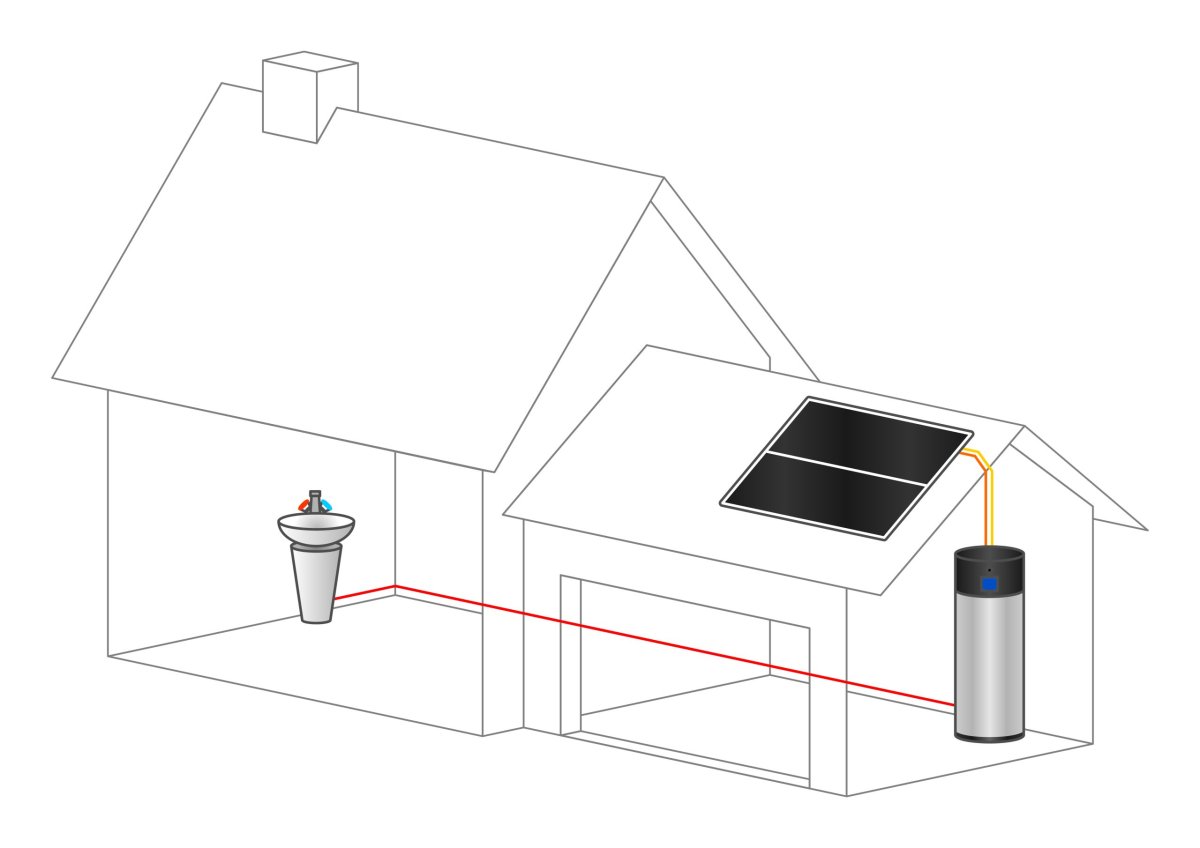
And if the increase pushes you to consider solar production, be careful not to mix bill diagnosis and investment project. Panels can reduce part of the electricity purchases, but their interest depends on the consumption profile, self-consumption, and initial budget. Before starting, it is better to estimate the real solar budget rather than reacting impulsively to a single bill.
When should you contact your supplier?
Contact the supplier when the discrepancy remains unexplained after checking the kWh, the indexes, the period, and the type of reading. You should also do so if you notice an option you did not request, an incorrect consumption address, a PDL that does not match, an incomprehensible adjustment, or an optional service wrongly charged.
The right approach is to come with precise elements. A call like “my bill is too expensive” will be less effective than a structured request: “my consumption goes from this value to that value over a comparable period, the reading is estimated while my current index is different, can you check?” This wording changes everything because it forces a discussion based on verifiable facts.
Prepare in particular:
- the customer number and the concerned invoice;
- the 14-digit PDL;
- the index displayed on the meter on the day of your request;
- the billed period and the indicated type of reading;
- your previous invoices to compare the kWh;
- the list of recent changes in the dwelling.
If the disagreement persists, ask for a written explanation. It is slower than an oral exchange but more solid. In some cases, the supplier can forward a verification request to the distributor, especially if the problem seems to come from the indexes or the delivery point.
Key points to remember
- ⚡ The total amount is alarming, but the kWh often explain the real increase.
- 🔎 An estimated bill can cause a significant adjustment several months later.
- 🧾 The 14-digit PDL identifies the dwelling, not the contract holder.
- 🏠 Always compare two equivalent periods before concluding an anomaly.
- 📞 Contact the supplier with index, invoice, PDL, and comparative readings at hand.
FAQ
Does a high bill necessarily mean I consume more?
No. A bill can increase even if the kWh consumption remains close, notably due to the subscription, taxes, a price change, or an adjustment. The first check is therefore to compare the kWh before drawing a conclusion.

What is the difference between an estimated bill and a real bill?
A real bill is based on a recorded or transmitted index, whereas an estimated bill relies on an assumed consumption. If the estimate is too low for several months, the following bill can catch up the gap with a higher adjustment.
Do off-peak hours automatically reduce the bill?
Not necessarily. The peak/off-peak option becomes interesting if a significant part of the consumption is shifted to off-peak hours. If your uses remain mainly during the day or evening, the Base option can sometimes be more coherent.
What should be checked after moving?
Check the consumption address, the PDL, the entry index in the dwelling, and the contract start date. An error on any of these elements can lead to an inconsistent bill, especially if the previous occupant or the new contract overlap.
Should I change supplier after an abnormal increase?
Not immediately. It is better first to understand whether the increase comes from the kWh, the price, the taxes, or an adjustment. Once the origin is identified, comparing offers can be useful, knowing that changing supplier is free and without interruption.