
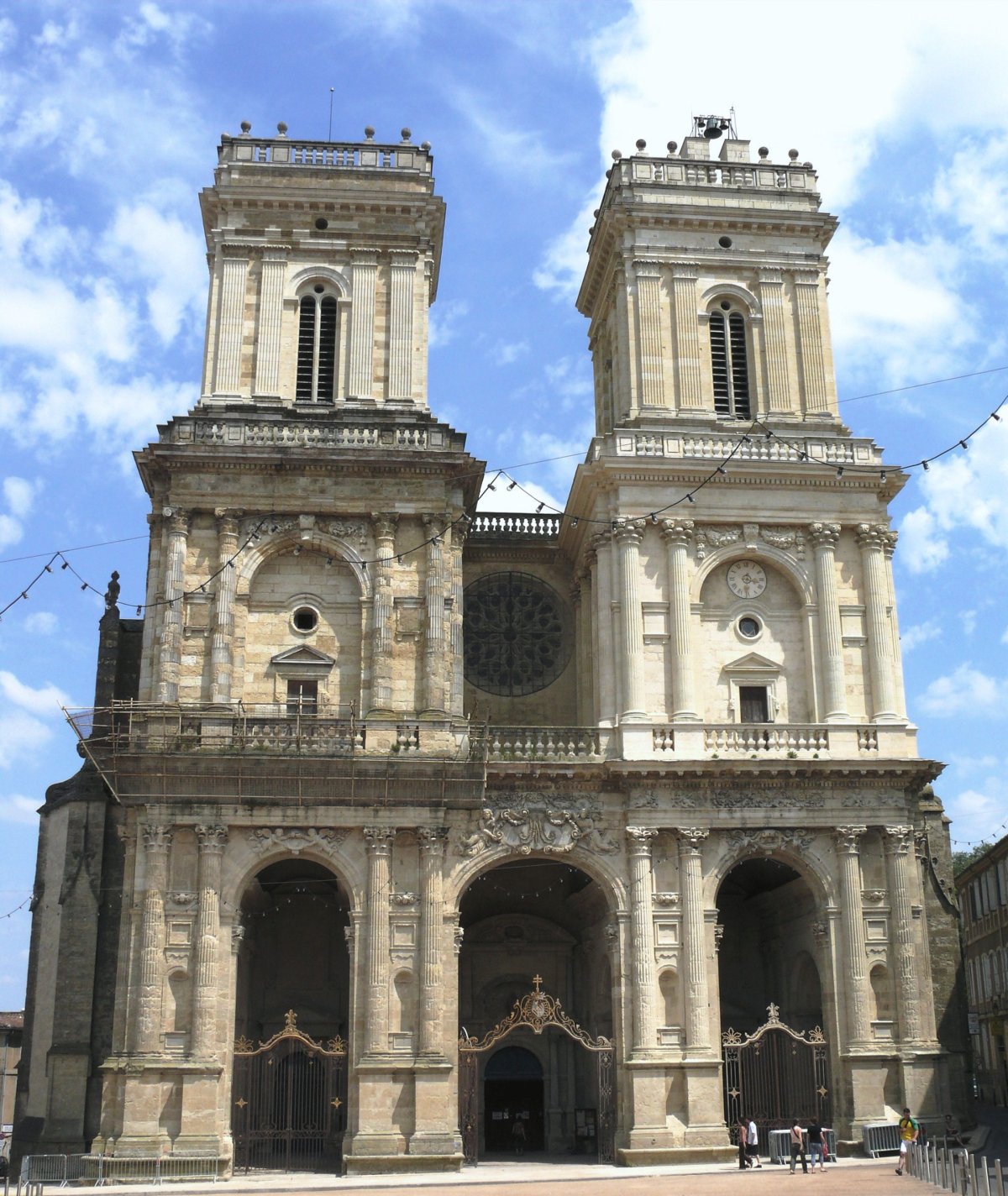
The Faubourg is one of the historic neighborhoods of Auch (Gers, Occitanie). Located below the upper town dominated by the cathedral, it occupies the plain of the Gers riverbank and stretches on both sides of the bridges that connect the two banks. Its DNA: an urban layout mixing old houses, small buildings, local activities, and quick access to major facilities. This guide offers an operational reading of the neighborhood: geography, history, schools, mobility, shops, real estate market, and perspectives.
TL;DR : Faubourg (Auch) = lively neighborhood on the Gers riverbank, close to the center, schools, and train station. Strengths: everyday shops, varied mobility options, reasonable price per m² for townhouses and T2/T3 apartments. Warnings: surface parking, flood-prone perimeter in low areas, heterogeneous energy performance in older buildings.
Table des matières
Geography and Location
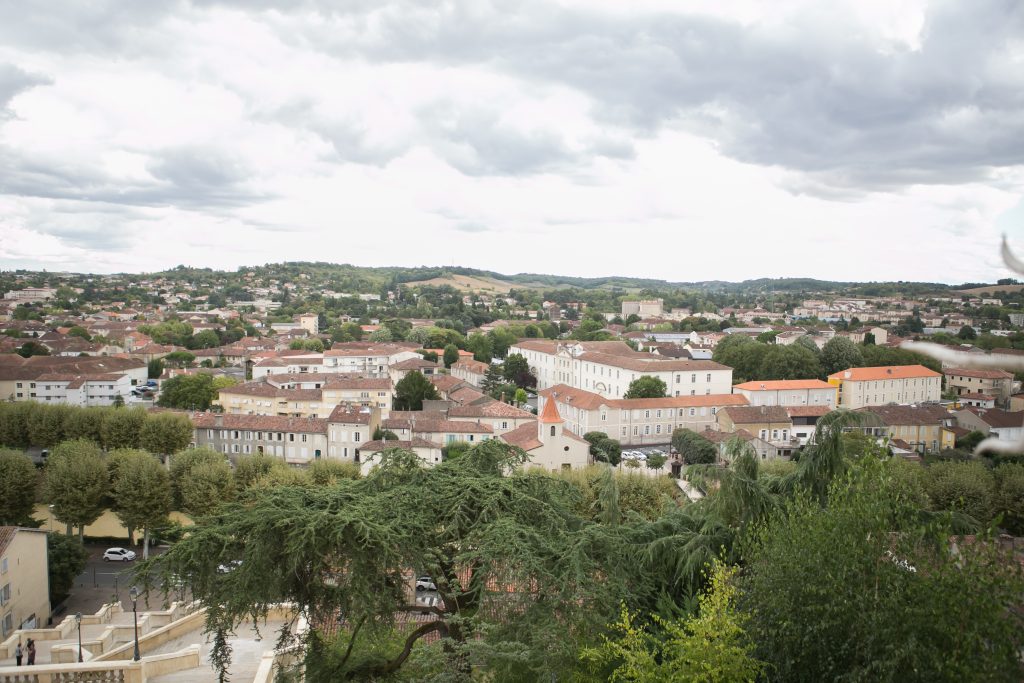
The Faubourg develops at the foot of the upper town hill, on the alluvial terrace of the Gers river. It is organized around radial axes connecting the urban bridges to the old center and peripheral neighborhoods. The morphology combines dense blocks near commercial axes, townhouses with courtyards or gardens in the second row, and small recent collective buildings on the edges.
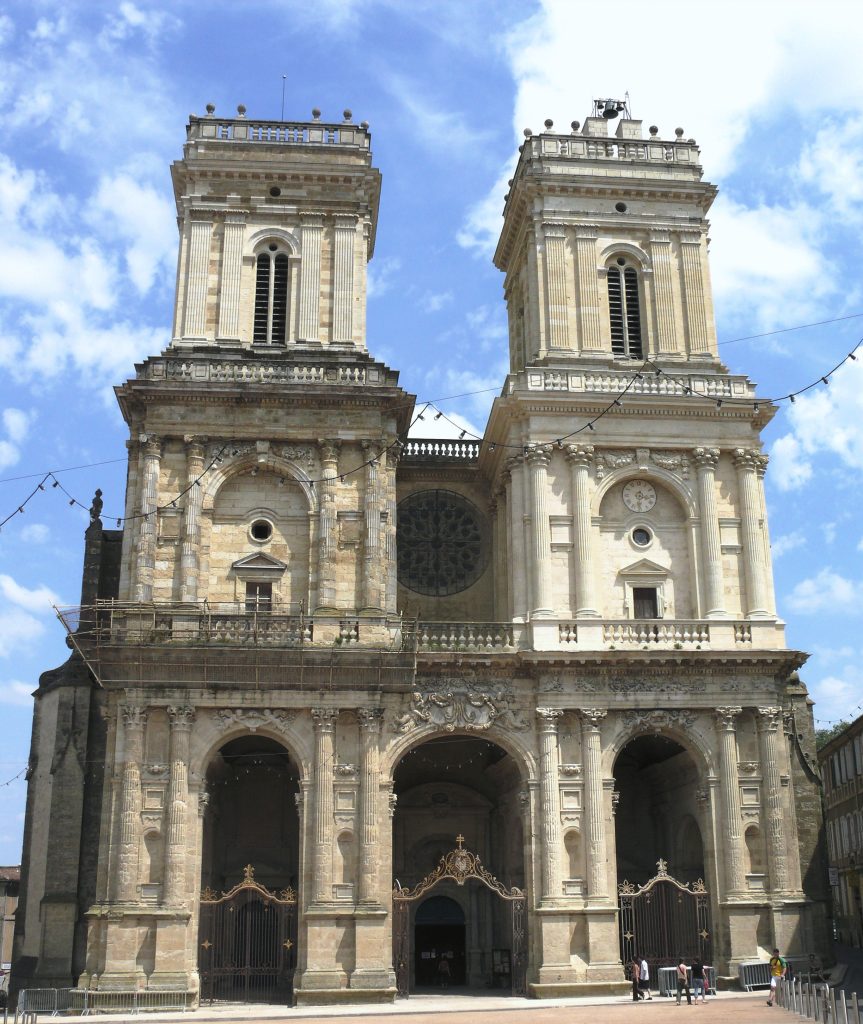
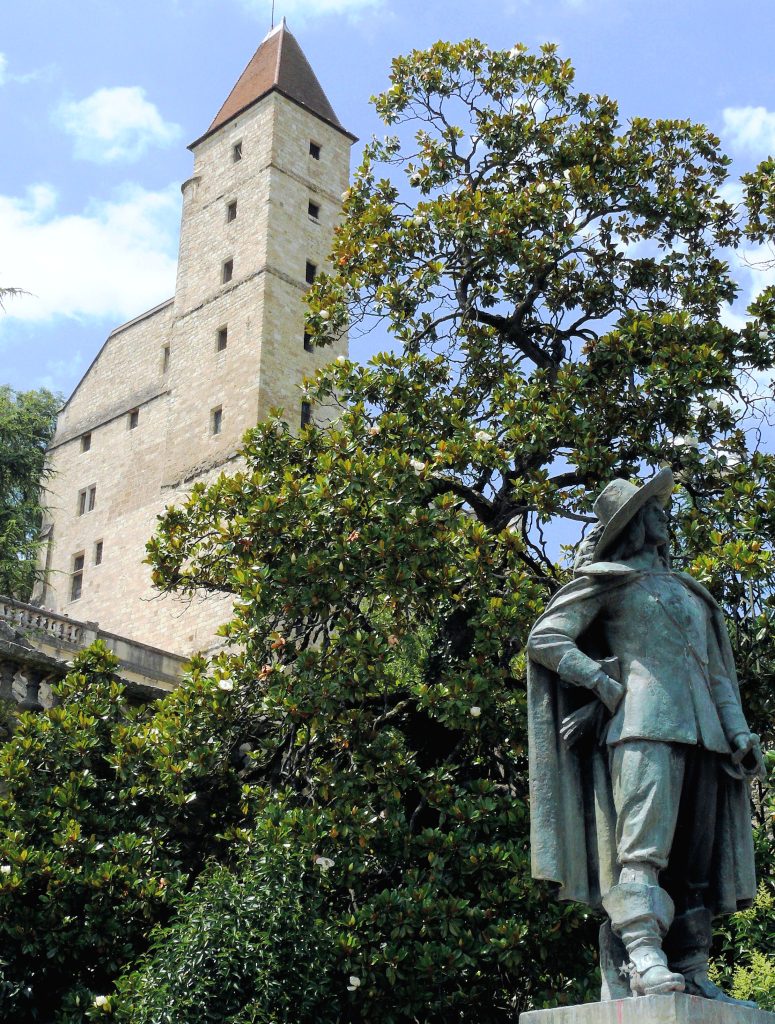
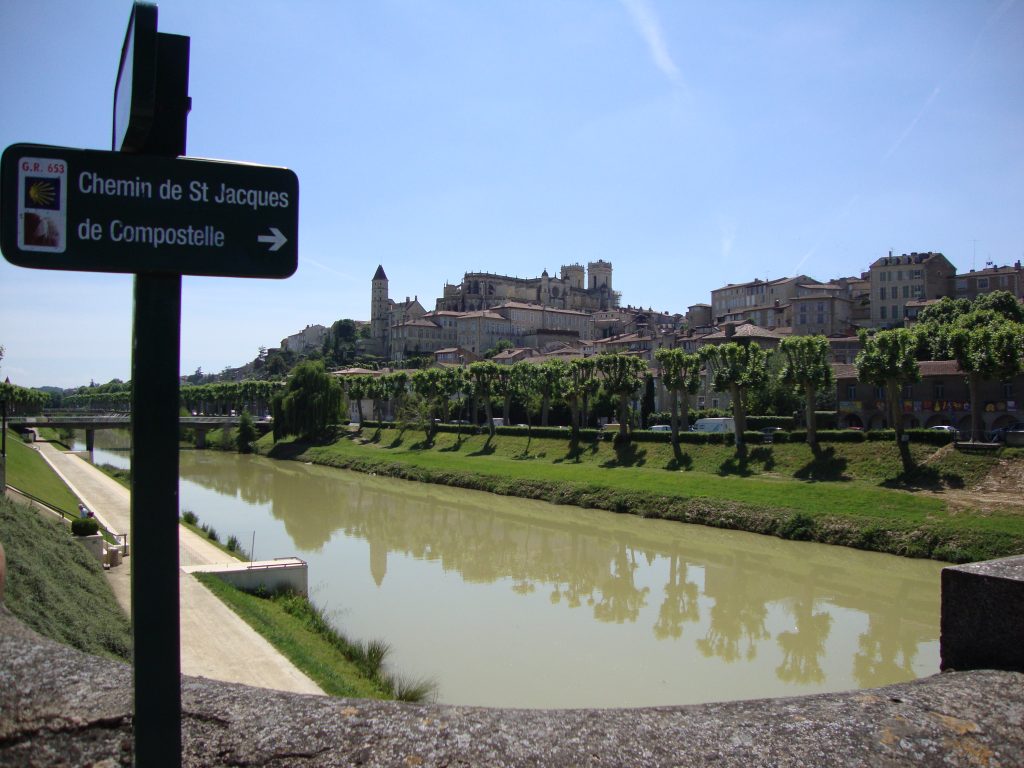
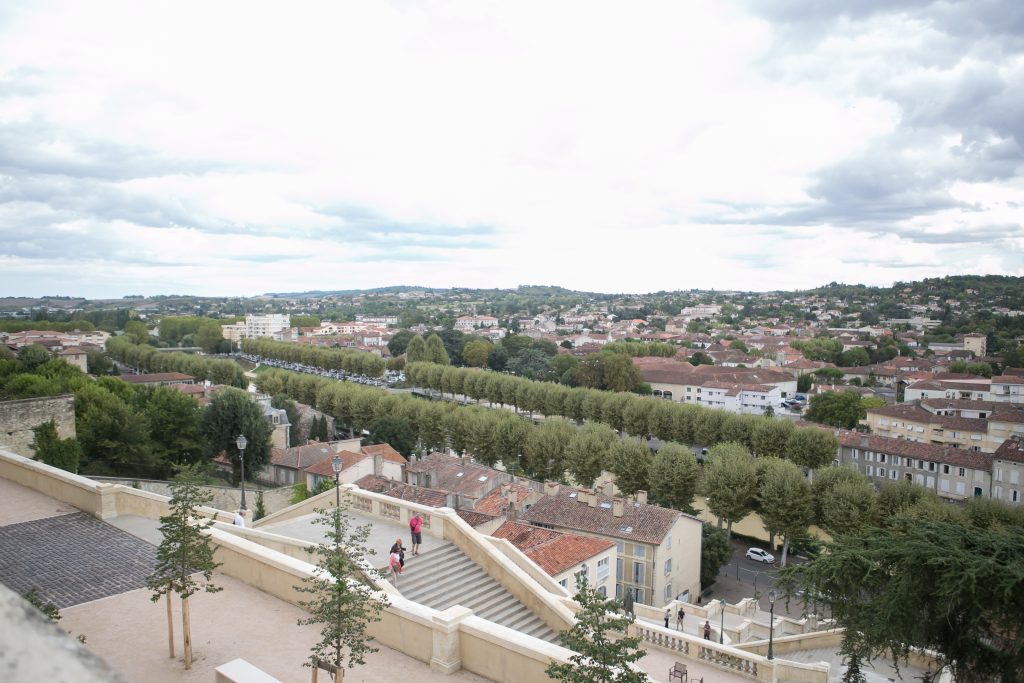
The topography marks the identity of the place: a sharp elevation difference between the plain and the promontory, stairs and historic alleys leading to the upper town, Gers riverbanks developed for walking and cycling. This configuration offers postcard views of the cathedral and the Armagnac tower.
Historical Landmarks and Urban Identity
The term faubourg refers, since medieval times, to extensions outside the city walls. In Auch, urbanization densified from the 19th century with commercial growth linked to the bridges over the Gers, workshops, and riverside warehouses. In the 20th century, motorization and modernization of the banks reorganized the fabric: brick and pebble townhouses, buildings of 2 to 4 levels, business premises on the ground floor along main axes.
The neighborhood maintains a programmatic mix: housing, shops, crafts, public services. The presence of downtown facilities accessible on foot strengthens its role as a bridge neighborhood between the lower town and historic centralities.
Population, Living Environment, and Services
Resident profile: active households working in Auch or along the Auch-Toulouse axis, families appreciating proximity to schools, students and young professionals seeking moderate rents, as well as seniors attracted by the density of services.
Daily life: food shops, bakeries, pharmacy, health offices, banks, neighborhood cafés. The markets in the center complement the offer of local products. The Gers riverbanks and the monumental staircase create pleasant daily routes for walking.
Public spaces: mostly continuous sidewalks on the main roads, pedestrian crossings at intersections, gentle pathways along the river. Street furniture has been gradually renewed in the busiest areas. Resident tip: map your “daily” routes (school, shopping, train station) and test them on foot/by bike. The Faubourg excels at distances < 1 km.
Education and family life
Early childhood and primary: nurseries and kindergartens within walking distance, elementary schools in the wider area. Streets in 30 km/h zones and safe crossings make family trips easier.
Middle/High schools: served by urban and school bus lines to the schools in Auch. Short travel times from the main stops in the Faubourg.
Sports and culture: gyms, stadiums, municipal media library, and sports associations nearby. The cultural programming of the city center is accessible without a car.
Transport and mobility
Road access
From the Faubourg, direct access to urban and departmental roads towards business areas, the RN21, and the communes of Gers. Traffic is heavier during peak hours near bridges and major intersections.
Public transport
The neighborhood is served by urban buses to the center, the Auch train station, and facilities. Frequencies vary by time slot; the network app remains the best source for planning.
Train and intermodality
The Auch train station connects Toulouse and the metropolitan area via TER Occitanie. In practice, many commuters combine walking/biking + TER for a sober and reliable daily journey.
Biking and walking
Low relief in the plain, continuity of quiet roads and banks of the Gers: utility biking is relevant. Walking is competitive for all common services.
| Origin → Destination | On foot | By bike | Bus | Car |
|---|---|---|---|---|
| Faubourg → Cathedral (upper town) | 12–18 min (via stairs) | 6–8 min | 8–12 min | 7–10 min |
| Faubourg → Auch train station | 10–20 min | 5–8 min | 8–15 min | 6–10 min |
| Faubourg → Business areas | — | 10–20 min | 15–25 min | 10–20 min |
Local economy and employment
The Faubourg hosts a network of very small and small businesses: shops, crafts, local services, liberal professions. Major employment centers are located at the city level (administration, health, education, light logistics) and along the road axis towards Toulouse. Teleworking increases the appeal of townhouses with an office room or outbuilding.
Daily life: shops, health, safety
Shops: food, pharmacies, banking services, cafés, restaurants accessible on foot. The historic center, 5–10 minutes away, complements with markets, boutiques, and cultural facilities.
Health: local medical and paramedical offices, access to city healthcare facilities within minutes.
Safety: generally peaceful atmosphere. Caution during rush hours on main thoroughfares and near bridges. Inner residential streets remain quiet.
Environment, risks and air quality
The neighborhood borders the Gers riverbanks and benefits from good air circulation. In low-lying areas, some zones fall within the regulated flood zone: development and renovation projects must comply with local regulations (building heights, materials, utilities). Private greenery and the shade from tree alignments contribute to summer comfort.
Technical advice: for a house in a potentially flood-prone area, check the history of events, the location of utilities, floor height, and compliance of ground-floor materials.
Real estate: price per m², rents and trends
Types: terraced or semi-detached townhouses, small houses with rear gardens, apartments in small buildings, old buildings with commercial ground floors on main roads.
Indicative price levels (2024-2025): Auch offers a regionaly accessible market. Le Faubourg is in the mid-range of the city, with premiums for renovated and quiet properties, and discounts for buildings needing renovation on noisy roads.
| Type of property | Standard condition | Renovated / amenities | To renovate |
|---|---|---|---|
| Apartment | €1,300–1,750/m² | €1,700–2,200/m² | €1,000–1,300/m² |
| Townhouse | €1,500–2,100/m² | €2,000–2,600/m² | €1,100–1,500/m² |
| Rent (apartment) | €8–11/m²/month | €10–12/m²/month | €7–9/m²/month |
Value factors: quiet inner street, south/west exposure, usable outdoor space, energy rating D or better, proximity to schools/shops, private parking. Discounts: energy rating F/G without renovation plan, road noise, dark ground floor, co-ownership with major works.
Buyers checklist
- Structure check: load-bearing walls in cobblestones/bricks, condition of wooden floors, roof frame.
- Energy performance: insulation, joinery, heating system, ventilation.
- Hydraulic context: zone classification, floor height, protections, insurance.
- Daily mobility: real-time travel to school, station, work.
Landlords checklist
- Target T2-T3 apartments close to bus stops, riverbanks, shops.
- Optimize energy rating (insulation, settings, ventilation) to secure rental.
- Enhance storage, equipped kitchen, fiber optic, bike storage room.
Urban planning, projects and outlook
At the scale of Auch, the orientations aim at the redevelopment of central areas, the energy renovation of the old housing stock, the improvement of public spaces, and the calming of traffic. For the Faubourg, this translates into targeted interventions on commercial axes, the continuity of cycling paths along the riverbank, and infill of empty plots with small collective housing. Objectives: comfort of use, climate resilience, residential and commercial attractiveness.
Recommended routes to discover the Faubourg
“New residents” route — 1h15
- Gers riverbanks → reading of pathways and access to bridges.
- Climb up a quiet inner street → spotting shops and services.
- Crossing towards the monumental staircase → daily walking test.
- Return via the commercial axis → noise and parking assessment.
“Investor” route — 1h45
- Tour of streets with potential (building sizes, alignments, parking).
- Identification of co-ownerships undergoing work and mixed blocks.
- Reading facades: joinery, ventilation, possible defects.
- Accessibility test to station/schools during peak hours.
Quick comparison: Faubourg vs other sectors of Auch
| Criterion | Faubourg | Upper town | Periphery |
|---|---|---|---|
| Atmosphere | Mixed, lively | Heritage | Suburban |
| Proximity to services | High | Very high | Variable |
| Price per m² | City average | Medium-high | Medium-low |
| Parking | On-street/mixed | Restricted | Easier |
| Soft mobility | Very favorable | Favorable | Variable |
Top 5 strengths of the Faubourg
- Immediate proximity to the center and facilities.
- Varied mobility: walking, cycling, bus, regional train.
- Mixed-use shops and housing that animate the day.
- Heritage and landscapes of the Gers nearby.
- Affordable entry prices for townhouses and T2/T3 apartments.
Points of caution
- Energy Performance Certificate (EPC) sometimes low in old buildings: plan for renovation works.
- Parking under pressure near main roads and shops.
- Water management in low points near the riverbanks.
Weekend around the Faubourg
- Walk along the Gers riverbanks at dawn.
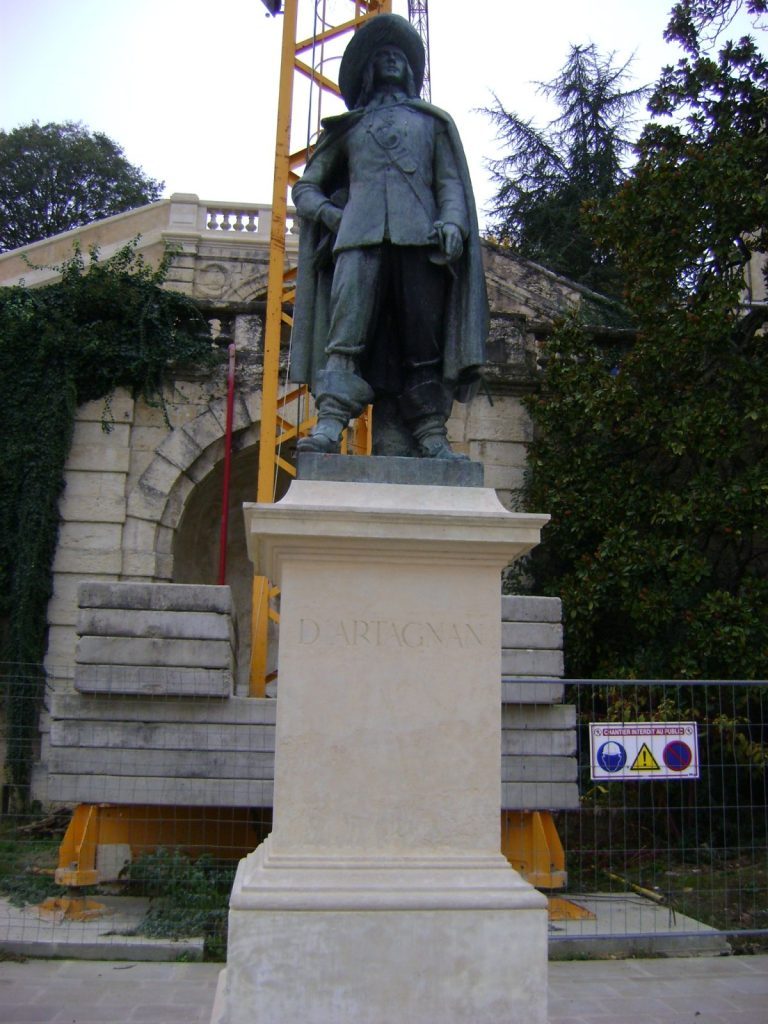
- Climb the monumental staircase, pause at the d’Artagnan landing.
- Visit the cathedral and enjoy the panorama over the Gers plain.
Real estate summary and quick tips
- Townhouses: favor interior streets, check structure, humidity, roofs.
- Apartments: small co-ownerships, controlled charges, energy rating C/D, bike storage.
- Investment: T2/T3 near stops and riverbanks; pay attention to insulation and equipment.
FAQ
Is the Faubourg noisy?
Generally calm atmosphere in the interior streets. Increased noise on main roads and near bridges during peak hours.
Is the neighborhood bike-friendly?
Yes. Low relief, developed riverbanks, and short distances to the center, station, and schools.
What price ranges per m²?
Apartments 1,300–2,200 €/m² depending on condition. Houses 1,100–2,600 €/m². Rents 8–12 €/m²/month.
Is there a risk of flooding?
Low points of the Faubourg are in flood-prone areas. Refer to local regulations and the parcel’s history.
Which renovations should be prioritized in older buildings?
Envelope insulation, treatment of thermal bridges, ventilation, efficient heating, and joinery.
Is the neighborhood suitable for a first purchase?
Yes, accessible entry prices, wide choice of types, and strong mobility to the center and station.
Sources and useful resources
- City of Auch: procedures, maps, urban projects.
- Occitanie Region: mobility and TER.
- SNCF: TER Occitanie schedules.
- data.gouv.fr: public data (urban planning, risks).
Conclusion
The Faubourg combines centrality, efficient mobility, and accessible entry prices at the scale of Auch. To succeed in your project, rely on a multi-time visit, a thorough energy audit, and a verification of water constraints in low areas. This triptych guarantees a sustainable and comfortable purchase in the heart of a lively and practical neighborhood.
Your turn to play: target three quiet streets, compare two renovated properties vs one needing work, and simulate your daily routes. The Faubourg quickly reveals its obvious advantages.