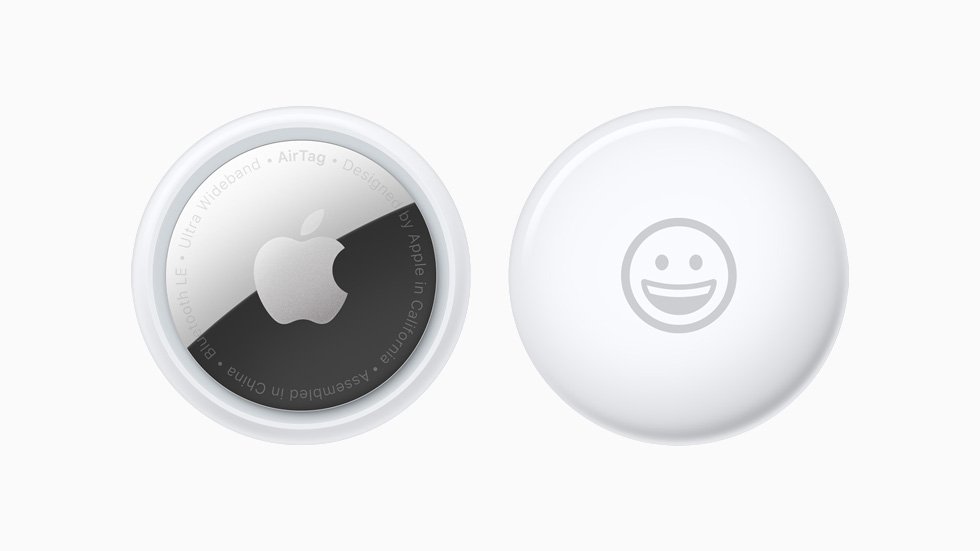
Bluetooth tags and “crowdsourced” networks have transformed object searching. This efficiency relies on millions of smartphones that anonymously detect signals and send a location back to the owner. This model raises legitimate security and privacy concerns. Here is an operational analysis and practical practices to choose and use these trackers with full control, along with the positioning of Trackr.fr Tech.
In brief: community location aggregates the Bluetooth range of millions of devices to find objects out of direct range.
Privacy depends on the architecture: rotating identifiers, end-to-end encryption, anti-tracking alerts on iOS/Android.
Real risks: misuse for tracking purposes if the protocol is weak or if alerts are missing.
Choose wisely: prefer encrypted ecosystems compatible with cross-platform alerts.
Trackr.fr Tech: selection and security-oriented recommendations, with a best practices guide.
- Definition and context
- How does community location work?
- Advantages and use cases
- Risks, compliance, and privacy
- Trackr.fr Tech: approach and useful link
- Best practices for the user
- Trends and perspectives
- FAQ
- Sources
Table des matières
Definition and context
Community location refers to a model in which third-party devices, generally smartphones, serve as relays to locate low-power Bluetooth tags. When a tag emits an identifier, any participating phone that detects it sends, via the Internet, an approximate location to the manufacturer’s backend. The tag owner then views this location in their app. Apple calls this the Find My network, Samsung integrates it into SmartThings Find, and Tile exploits it through its own user network.
This paradigm has become established for a simple reason: Bluetooth LE’s battery life and range are limited. By relying on the density of smartphones, the short range is compensated for and an “ambient coverage” is obtained. Apple claims a network approaching a billion devices contributing to these detections, with end-to-end encryption and rotating identifiers to reduce tag traceability over time (see Apple Newsroom). These cryptographic components determine robustness against abusive tracking.
How does community location work?
The typical scheme:
- The tag periodically emits a Bluetooth LE identifier. In privacy-by-design architectures, this identifier changes regularly (rotation) and cannot be used to track a unique user over time.
- A participating smartphone captures the broadcast, encrypts the relevant metadata, and sends an anonymous report to the manufacturer’s cloud service.
- The owner of the tag consults the app. The server provides encrypted data that only the owner can decrypt (end-to-end encryption on the Apple Find My side). The publisher cannot link who saw what.
- In case of potential abuse, iOS 17.5 and Android 6.0+ trigger anti-tracking alerts compatible across platforms: “[Object] detected moving with you.” The user can make the tag ring, display its identifier, and follow instructions to disable it.
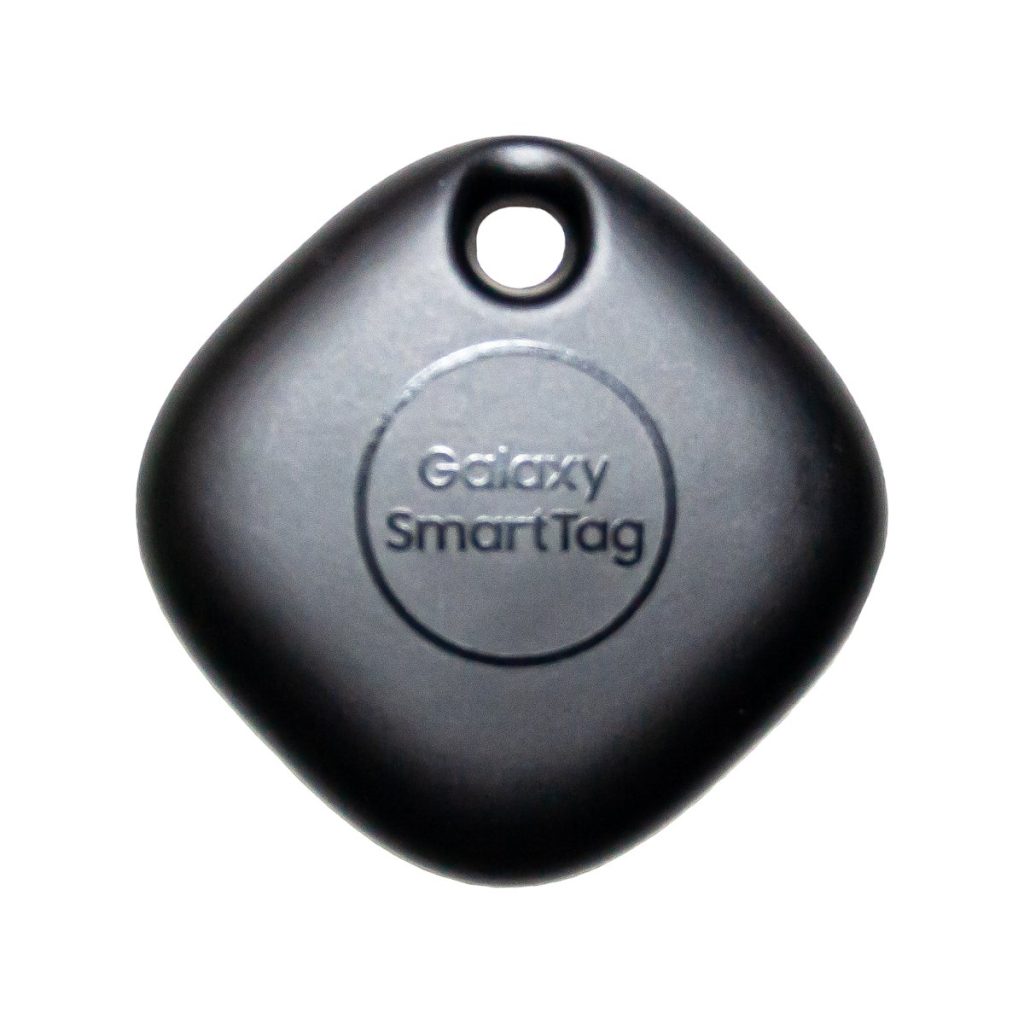
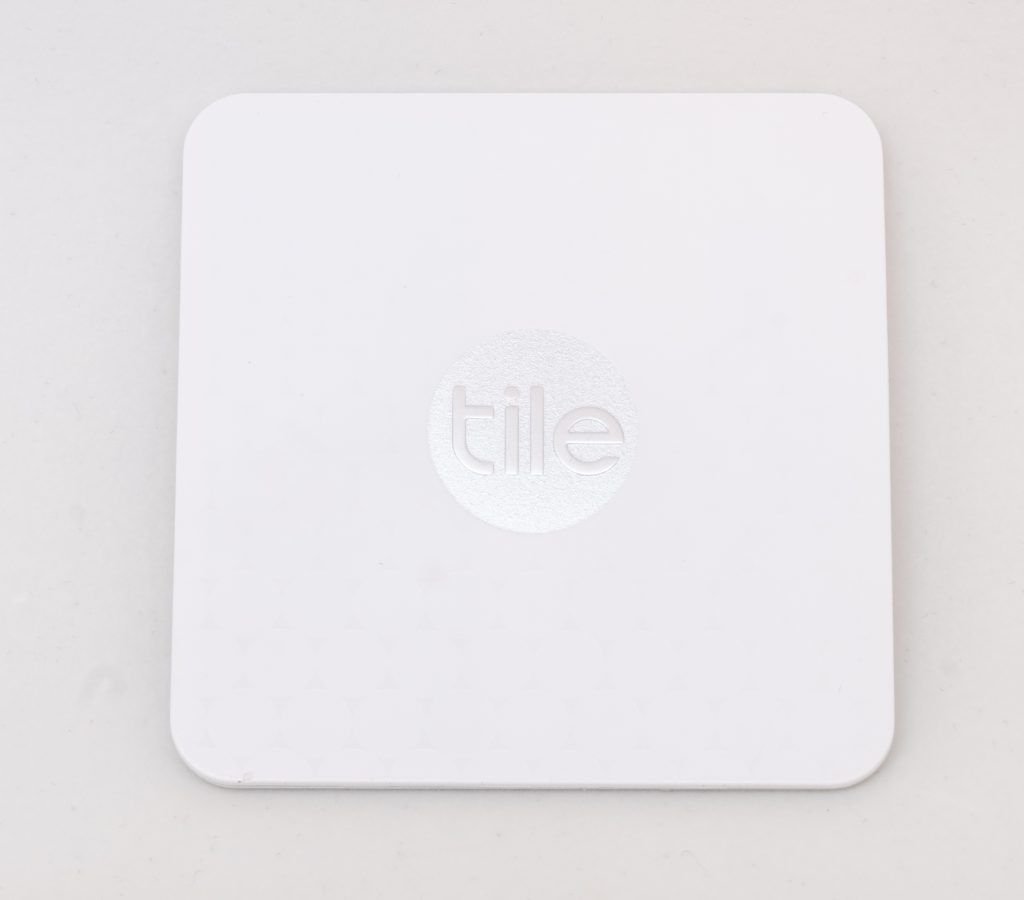
Variants exist. Samsung specifies that SmartThings Find encrypts data and relies on Knox for the security layer. Tile depends on its Life360 network. The quality of protection depends on the protocol: ID rotation, encryption, and effective coverage of system alerts on iOS/Android.
Advantages and Use Cases
Coverage. Large-scale networks multiply the chances of finding an object out of direct range. Apple’s Find My network aggregates a device base approaching a billion, which significantly improves “hits” in dense urban environments. SmartThings Find benefits from the Galaxy base, while Tile capitalizes on the Life360 community. The higher the participant density, the faster you recover a last seen location.
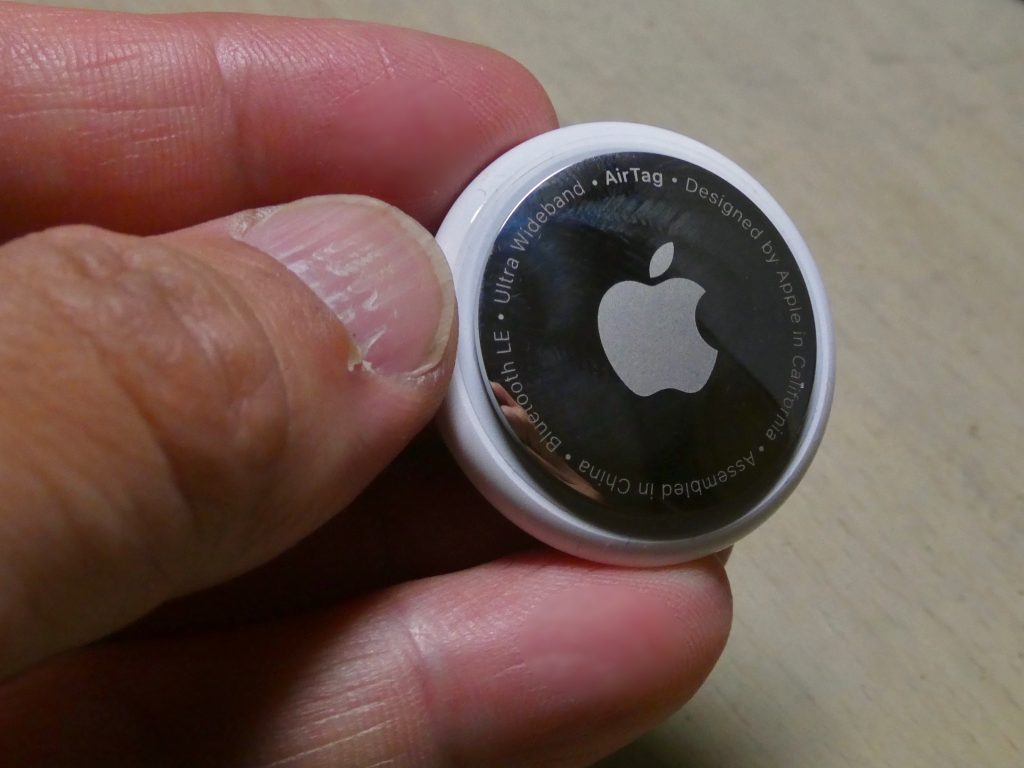
Efficiency. These solutions allow: finding lost keys in a neighborhood, locating misplaced luggage during a transfer, temporarily tracking a personal package, and receiving proximity notifications. Ultra Wideband (UWB) on certain models (AirTag, SmartTag+) provides precise direction at very short range to finish the search.
Cost and Battery Life. Bluetooth LE tags consume little power. Battery life is measured in months, sometimes years, with replaceable batteries. Usage costs are almost zero, as cellular transmission is handled by third-party smartphones.
Risks, Compliance, and Privacy
Unconsented Tracking. Authorities and associations have documented cases of abuse. In response, Apple and Google co-developed a common specification to detect unknown nearby tags, deployed in iOS 17.5 and Android 6.0+ via “Unknown tracker alerts.” Cross-platform notifications reduce the risk of “gaps” between ecosystems.
Technical differences. Protections vary depending on the networks. Apple emphasizes end-to-end encryption and identifier rotation. Samsung announces data encryption and Knox protection for SmartThings Find. Academic work and investigations have criticized less rigorous models, showing that the absence of encryption or robust rotation can allow identifier correlation and long-term tracking. Recent studies also highlight the importance of automatic alerts rather than manual scans.
CNIL framework. In France, the CNIL reminds that these tags can be misused and details the reflexes: check alerts, make the tag ring, consult deactivation instructions, and, in case of suspected offense, file a complaint. GDPR compliance requires a clear legal basis, information, and data minimization measures.
Trackr.fr Tech: approach and useful link
Trackr.fr Tech aggregates the market offer and favors privacy-oriented architectures: rotating identifiers, encryption, compatibility of anti-tracking alerts iOS/Android, and UWB when relevant. The goal: to recommend products that maximize the recovery rate without penalizing privacy.
Do you want to compare Bluetooth and GPS models for your use cases (wallet, keys, luggage, bike)? Check the reference page to choose a suitable solution and understand the coverage/battery life/price trade-offs: discover the Trackr.fr Tech offer.
Best practices for the user
- Activate system alerts: iOS 17.5+ and Android 6.0+ offer notifications for unknown objects. Do not disable them. On Android, launch a manual scan if you suspect tracking.
- Update the OS and manufacturer app to benefit from the latest security and anti-tracking patches.
- Favor encrypted networks and documented ID rotation. Avoid products that do not offer automatic cross-platform alerts.
- Limit sharing: if the object is lent, use the provided sharing/”guest mode” functions and set a duration.
- React in case of alert: make the tag ring, follow deactivation steps, keep screenshots, and file a complaint if necessary.
- Sensitive context: for checked luggage or bikes left outside, combine BLE tag and dedicated GPS/LTE solution if the object leaves dense areas for a long time.
Trends and perspectives
Anti-tracking standardization. The industry standard led with the IETF continues harmonizing alerts. Expect broader compatibility between brands and fine-tuning on the Android and iOS sides.
More UWB. Direction precision improves and facilitates quick recovery in the last meter. New smartphones expand the UWB base.
Increased transparency. Manufacturers are pushed to document encryption, ID rotation, and detection metrics. Independent tests will continue to distinguish truly “privacy-first” models.
FAQ
Does community localization consume a lot of battery?
No. BLE tags emit short frames. The impact on the relay smartphone side is marginal, as Bluetooth detection is already running for other uses.
What should I do if I receive an “unknown object” alert?
Make the tag ring, check the identifier, follow the deactivation instructions in the system app. Keep evidence and report to authorities in case of suspected harassment.
AirTag, SmartTag, Tile: which one has the best coverage?
Coverage depends on the number of participating devices. The Apple network is very dense. SmartThings Find is progressing on Galaxy. Tile depends on Life360. Also check encryption and anti-tracking alerts.
Do Bluetooth tags work without a mobile network?
The tag emits via Bluetooth. Uploading to the cloud requires that at least one detecting smartphone has Internet. Without a smartphone nearby, no data is uploaded.
When is it preferable to use a GPS/LTE tracker?
For objects that move outside dense areas for hours or days (bike in the countryside, equipment), a GPS/LTE tracker with SIM card offers continuity that community BLE does not always ensure.