
Table des matières
In Brief
Érôme is a commune of 835 inhabitants nestled in the Rhône valley, 25 km north of Valence, crossed by the legendary National Route 7. An exceptional wine village, Érôme produces renowned AOC Crozes-Hermitage wines and offers a preserved living environment combining rural tradition and modernity. Its remarkable architectural heritage, dynamic community life, and privileged road access make it a must-see for discovering the Côtes du Rhône.
📍 Geography and Strategic Location
A Privileged Position in the Rhône Valley
Érôme covers 7.33 km² in the Drôme department, in the Auvergne-Rhône-Alpes region. The commune benefits from an exceptional geographical location 25 km north of Valence and 7 km south of Saint-Vallier, two major urban centers of the Rhône valley. This strategic location gives Érôme excellent road and rail accessibility while preserving its authentic rural character.
The climate of Érôme is characterized by moderate Mediterranean influences tempered by continentality, with an average annual temperature of 14.3°C and an annual precipitation total of 826.8 mm. This climatic combination makes it an ideal territory for vine cultivation, especially for producing Syrah and quality white grape varieties.
Relief, Hydrography, and Natural Environment
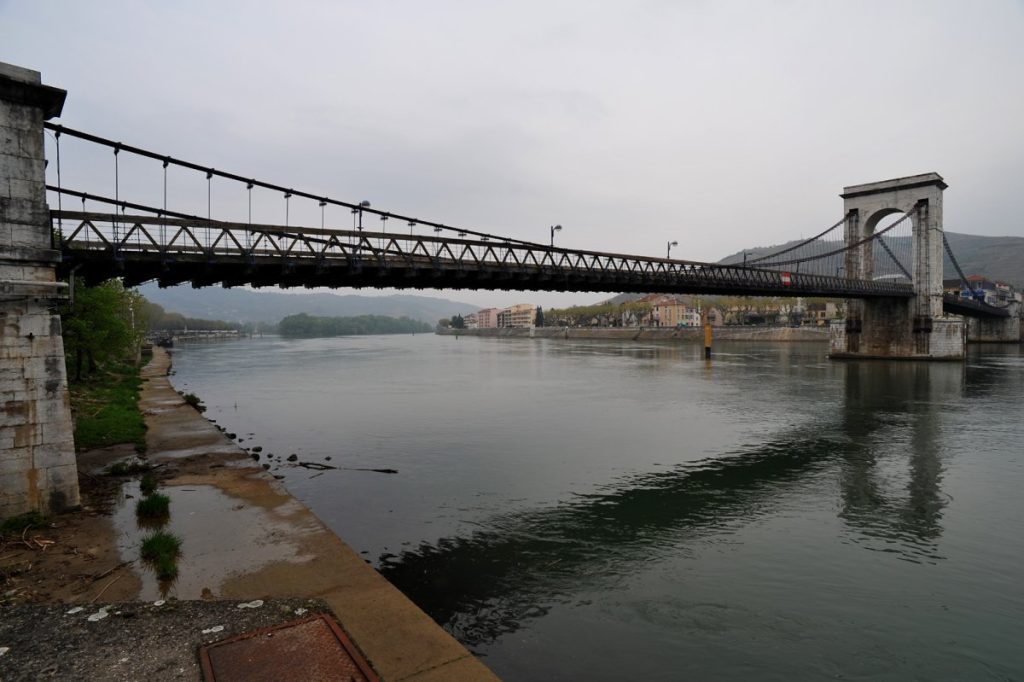
The territory of Érôme features varied relief with an average altitude of 132 meters, characteristic of the Rhône plain. The commune is bordered to the west by the Rhône, a major river that has shaped the entire region since Antiquity. This historic watercourse remains a strong identity element of the local landscape.
A small local stream, the Érôme, a tributary of the Rhône, crosses the communal territory over 3.07 km. Land use reveals a remarkable balance: 48.1% forests and semi-natural areas, 17.5% heterogeneous agricultural zones, 16.6% permanent crops (vineyards), and only 5.1% urbanized areas.
📚 History and Architectural Heritage
From Ancient Origins to Modern Times
The history of Érôme is deeply rooted in Antiquity. Remains of Roman villas, tombs, and Gallo-Roman artifacts discovered on the territory attest to early human occupation. The etymology of the village’s name reflects historical vicissitudes: the village was called Eraume and Erazme in 1266, Héraume in 1320, Erame in 1403, before definitively becoming Érôme in the 17th century.
During the Middle Ages, Érôme was a possession of the Counts of Valentinois, powerful lords whose influence extended over the entire Rhône Valley. The village was part of the barony of Serves. The lordship was acquired at the end of the 16th century by the La Croix-Chevrières, the last local lords before the French Revolution.
The administrative evolution of Érôme reflects the French political upheavals. In 1790, the village united with Ponsas to form a municipality of the canton of Tain. It was only in 1844 that Serves was detached to form a separate commune.
Saint Martin Church: Architectural Jewel of the 19th Century
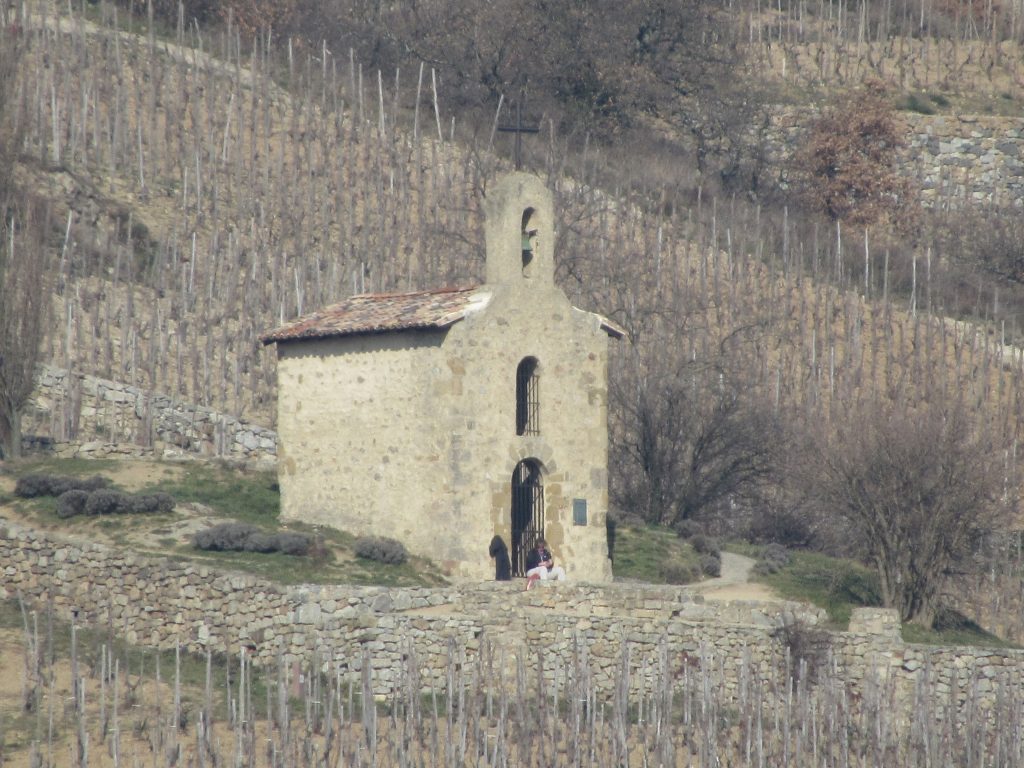
The architectural heritage of Érôme is characterized by the Saint Martin Church, renamed Saint Roch, built in the 19th century. This church is one of the village’s architectural jewels, testifying to the religious revival of the Second Empire in the provinces. The building houses a 17th-century painting classified as a historic monument, a remarkable example of local religious art.
The church’s stained glass windows hold particular importance. The stained glass depicting Saint Roch, patron saint of pilgrims and the sick, reflects the persistent medieval devotion. These windows, although damaged by the world wars, have been restored and continue to illuminate the interior of the sanctuary.
Ruins of the Medieval Castle and Historical Infrastructure
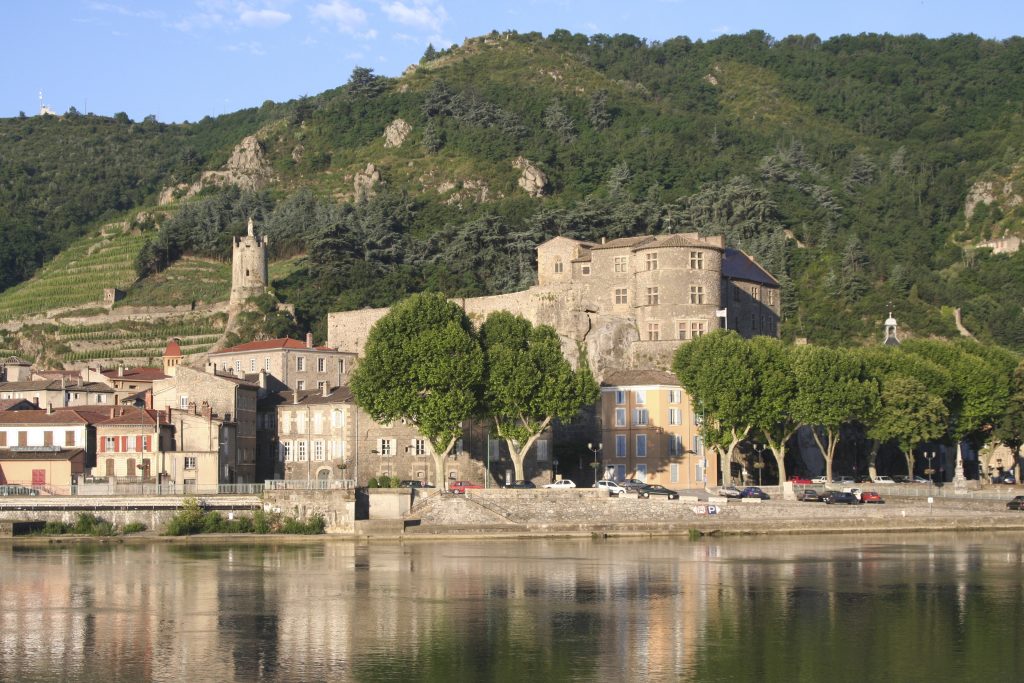
A ruined castle still overlooks the village, an impressive relic of the medieval era recalling Érôme’s strategic importance. The Rhône canal crosses the communal territory, a testimony to hydraulic developments made to facilitate river navigation and agricultural irrigation in the 19th century.
👥 Demography and Social Structure
Population and Demographic Dynamics
According to INSEE data from 2022, Érôme has 835 inhabitants, called Érômains and Érômaines. The population is evenly distributed with 49.2% men and 50.8% women. The population density is 113.9 inhabitants per km², slightly higher than the national average of 107.1 hab/km².
The demographic evolution shows a positive and stabilized trend. After a peak of 845 inhabitants in 2010, the population has settled sustainably around 820-835 inhabitants. The positive natural balance of +4 people in 2024 (7 births for 3 deaths) reflects the local demographic dynamism.
| Year | Population | Density (inhab/km²) |
|---|---|---|
| 1968 | 624 | 85.1 |
| 1990 | 698 | 95.2 |
| 2010 | 845 | 115.3 |
| 2022 | 835 | 113.9 |
Table: Evolution of Érôme’s population since 1968 (Source: INSEE 2024)
Household Structure and Housing Market
The commune has 367 households with an average of 2.3 inhabitants per household. The housing stock includes 434 units: 84.7% primary residences, 4.3% secondary residences, 11% vacant housing. A remarkable element: 75.6% of households are owners, a percentage significantly higher than the national average of 57.5%.
Socio-Economic Profile
The age structure reveals a young and dynamic population. Those under 15 years represent 19.3%, those aged 15-29 15.0%, and those aged 30-44 20.4%. With 54.7% of working age, the age pyramid is favorable. The socio-professional distribution shows: 29.1% intermediate professions, 23.2% employees, 23.2% workers, 15.0% executives.
🍇 Economy and Excellence in Viticulture
The Crozes-Hermitage Appellation: Local Viticultural Pride
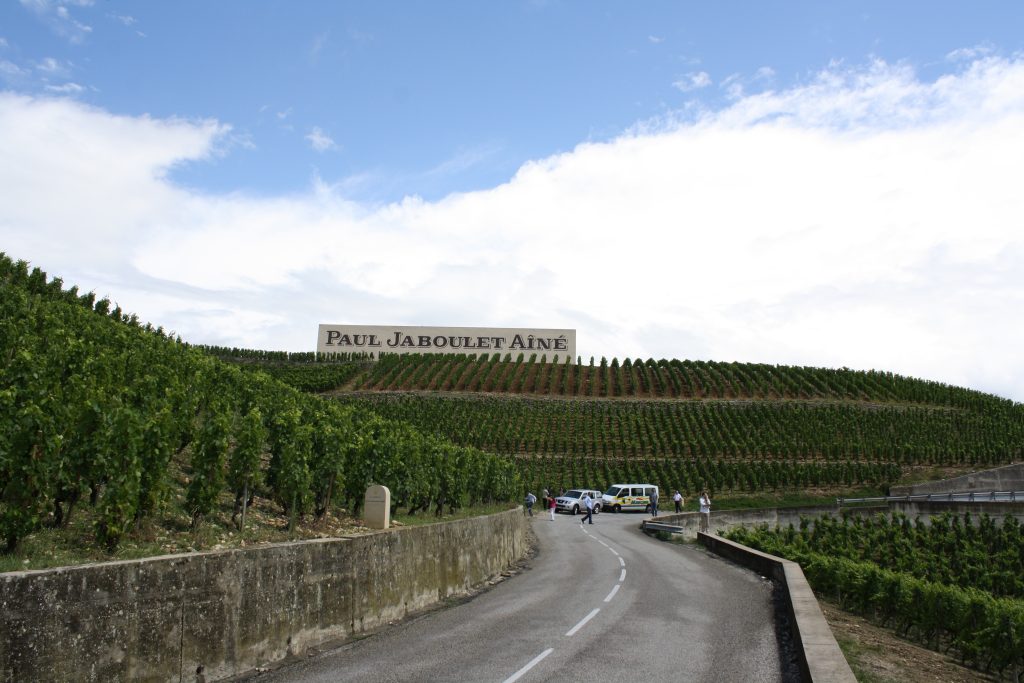
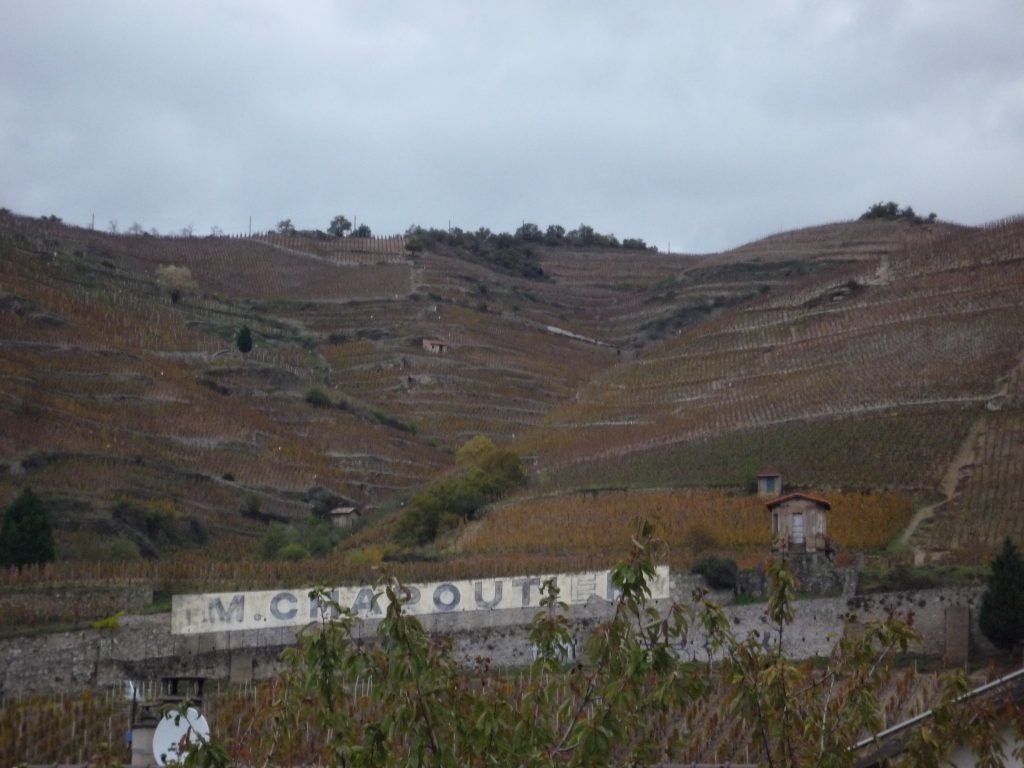
The economy of Érôme is mainly based on excellent viticulture with vineyards producing AOC Crozes-Hermitage and Côtes-du-Rhône wines. The commune is a major element of the Crozes-Hermitage appellation, the largest of the northern Côtes du Rhône appellations with its 11 producing communes.
The terroirs of Érôme are characterized by a remarkable geological diversity: rolled pebbles, white kaolinitic soils, and clay-limestone soils. This allows the production of red wines Syrah and white wines Marsanne and Roussanne, traditional to the northern Côtes du Rhône.
Wine Estates and Sustainable Agriculture
The Domaine Rousset, located on the road to Gervans, exemplifies this local viticultural excellence. This family estate of 11 hectares produces red and white Crozes-Hermitage, red Saint-Joseph, and IGP La Syrah. Certified High Environmental Value level 3, this estate is committed to sustainable viticulture.
Diversified Agriculture
Beyond viticulture, agriculture benefits from a remarkable diversification: cereals, fruits, and vegetables. A dynamic fruit market is held from May to August. The local economy includes 4 local shops and various craft businesses, creating a balanced local economic fabric.
🎭 Tourism, Culture, and Leisure
A Valued Viticultural Heritage
Érôme is part of the North Rhône Valley destination, labeled Vineyards & Discoveries. The “Detours in the Vines” wine tourism trails offer an immersive discovery of the vineyard landscapes by bike or on foot, providing exceptional views of the hillsides and the Rhône.
Heritage and Remarkable Sites
Top 5 must-sees: Saint-Roch Church (19th-century architecture, classified stained glass) • The ruins of the medieval castle • The Rhône canal (historical heritage) • The AOC vineyards (tasting) • The “Detours in the Vines” trails (wine tourism hiking).
Associative Life and Events
Associative life includes 28 active associations. The Festival Committee organizes the annual events. Sports are represented by Tennis Club Eromain, Amicale Boule d’Érôme, Box in Érome, Association Gymnastique Volontaire. The cultural sector shines with La Bande à Lolotte (music), Studio d’Art Odile Ode (graphic arts).
🚗 Transport and Accessibility
The Legacy of National Road 7
Érôme benefits from remarkable accessibility thanks to its location on the former national road 7, the legendary “holiday route” connecting Paris to Menton. The village maintains excellent road connections: Valence 25 km, Lyon 80 km.
Public Transport and Train Stations
Public transport serves Érôme via lines E03 (Tournon-Valence) and E96. The Tain-l’Hermitage station (5.5 km) offers direct access to regional and national rail networks, facilitating trips to Lyon, Marseille, or Paris.
🏫 Local Life and Services
Education and Early Childhood
The Les Rossignols primary school welcomes CP-CE2 within the framework of the RPI Serves-Érôme-Gervans: kindergartens in Serves, CP-CE1-CE2 in Érôme, CM1-CM2 in Gervans. The establishment hosts 66 students in 3 classes. Canteen at €4.40 and flexible daycare. André Cotte middle school (730 students) and Henri Laurens high school nearby.
Associations and Public Services
The town hall, led by Sandrine Pereira since 2020, offers a library, computer room, modern extracurricular services. Health services through proximity to Tain-l’Hermitage and Tournon-sur-Rhône. A project for a new community hall is announced for 2025.
🏠 Real Estate and Urban Planning
An Attractive Real Estate Market
Average price: €1,572/m² (range €1,469-€1,655). Houses represent 90.2% of the housing stock, higher than the departmental average (63.8%). This predominance corresponds to the aspirations of urban residents seeking a preserved environment.
Controlled Urban Development
Only 5.1% of urbanized areas, preserving agricultural and natural spaces. Urban planning favors development respectful of rural identity. New projects are part of a sustainable development approach.
⚙️ Administration and Governance
Local Governance
Érôme is administered by a 15-member municipal council led by Sandrine Pereira (mayor since 2020). Administrative affiliation to the canton of Tain-l’Hermitage and the arrondissement of Valence.
Intercommunality
The municipality is a member of Arche Agglo (Ardèche en Hermitage Agglomeration Community), an intercommunal structure grouping 41 municipalities and over 60,000 inhabitants. Waste management, sanitation, economic development, territorial planning.
🌱 Future Perspectives and Challenges
Environmental Challenges and Energy Transition
Érôme aligns with the objectives of the ecological transition of Arche Agglo and the Drôme department. Priorities: preservation of natural resources, development of sustainable alternative mobility, energy renovation of buildings, promotion of organic farming and biodynamic viticulture.
Territorial Attractiveness and Social Balance
Strategic challenge: balance between authentic rural preservation and sustainable economic development. Welcoming new populations (young families) requires preserving essential services (school, shops, health) while avoiding suburban sprawl. Development of wine tourism and agritourism as opportunities for respectful economic diversification.
✨ Conclusion
Érôme elegantly illustrates the success of a French rural village that has managed to preserve its cultural and environmental integrity while intelligently adapting to modern challenges. This municipality of 835 inhabitants embodies an exemplary balance between multicentennial wine-growing tradition and responsible modernity, between heritage preservation and sustainable economic development.
Excellent road access (RN7), the richness of AOC terroirs, the quality of the preserved living environment, and the vitality of community life are all assets for the future. Local governance, supported by the intercommunality Arche Agglo, has the tools to meet the challenges of ecological transition and maintaining rural services.
Érôme asserts itself as a promising territory for the future, where the authentic Mediterranean art of living combines with an excellent wine economy and a rich and participative community life. This village in Drôme fully deserves its place on the discovery route of the northern Rhône Valley, between millennial heritage and promising future prospects.