Port city backed by Mont Saint-Clair, Sète is a mille-feuille of waters, canals, and maritime traditions. People come for its water jousting, fish markets, the poetry of Paul Valéry, the songs of Georges Brassens, its protected beaches, and the oysters of Thau. Here is a local journalist’s guide to exploring Sète in depth: geography, heritage, daily life, economy, culture, real estate, and access.
TL;DR — Sète is a port city in Occitanie, 24.2 km², approx. 45,090 inhabitants (2022). To see: Mont Saint-Clair, Cadre Royal, marine cemetery, museums (Paul-Valéry, MIAM), Lido beaches, Thau oyster parks. To do: jousts in late August (Saint-Louis), canal walks, oyster and tielles tastings. Access: direct TGV Paris ≈ 3h38–3h45, TER Occitanie. Real estate: average price ≈ €3,677/m² (Sept. 2025).
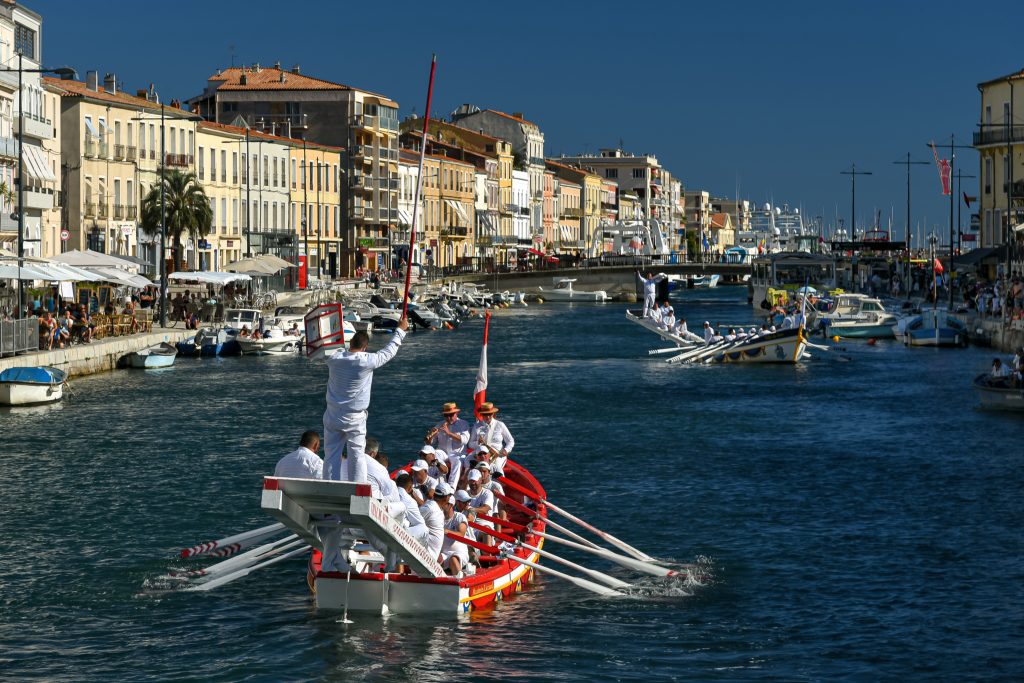
Table des matières
Geography and location: a city between open sea and lagoon
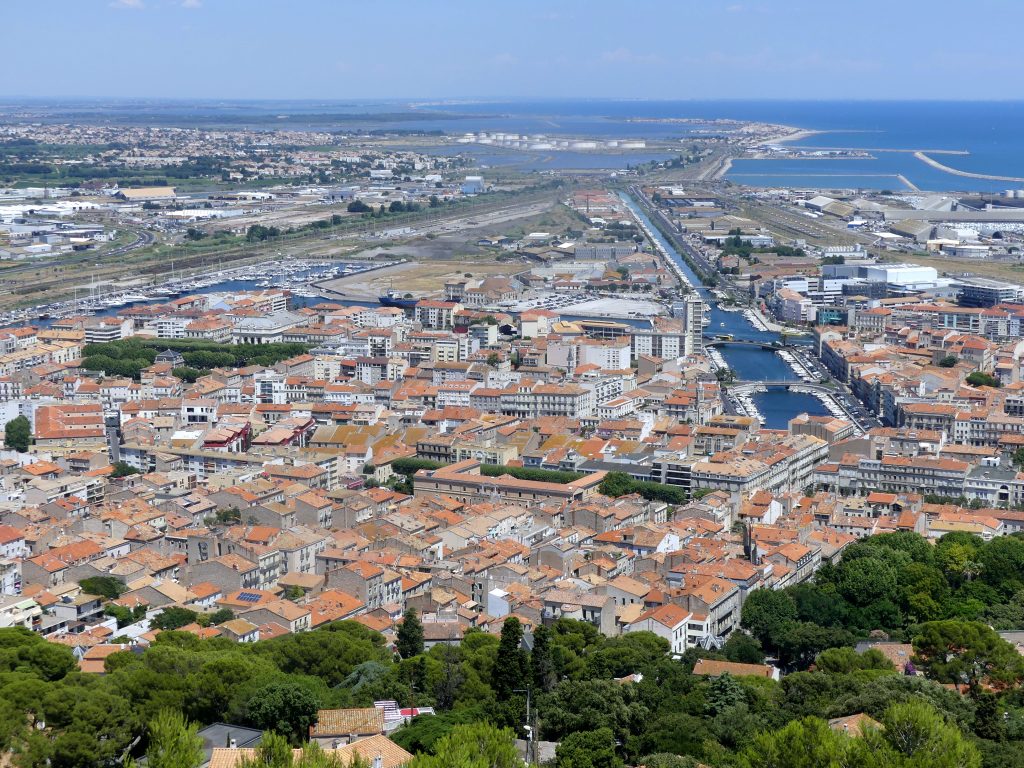
In the Hérault department, Sète occupies a unique position on a strip of land bordered both by the Mediterranean Sea and the vast lagoon of the Étang de Thau. The city is dominated by Mont Saint-Clair (176 m), a true lookout over the canals, dikes, and shellfish farms. The municipality covers 24.2 km² and stretches from the outer harbor, facing the open sea, to the neighborhoods of Île de Thau, which overlook the lagoon. This position creates a dual identity: marine city and lagoon city.
The network of inland waterways organizes urban life: Canal Royal (central segment called the Cadre Royal), Canal des Quilles, access routes to the commercial port, and old basins. The sunshine is typically Mediterranean and generous throughout the year. The coast aligns into a succession of beaches on the Lido, protected and restored in the 21st century.
History and heritage: from the port dreamed of by Louis XIV to today’s arts
Sète’s modern history begins in 1666, when Louis XIV ordered the creation of a pier and a port on the Mediterranean to serve inland navigation and commerce. The first stone of the Môle Saint-Louis marks the birth of a strategic outer harbor for the Canal du Midi and, later, for the Rhône to Sète canal. In the 18th century, the construction of forts and the Saint-Louis church accompanied the growth of trade. The 19th and 20th centuries saw the consolidation of the basins, the development of quays, and the growth of fishing and commerce.
Sète’s heritage can be explored on foot: the upper district with its tightly packed houses, the Cadre Royal where drums and oboes resonate on jousting days, the marine cemetery (circa 1680) overlooking the sea and housing the tomb of Paul Valéry, the local son. The city also preserves the memory of Georges Brassens, with a dedicated museum space. On the architecture and art side, the Paul-Valéry Museum combines fine collections and temporary exhibitions, while the MIAM (International Museum of Modest Arts), founded by Hervé Di Rosa, explores popular visual cultures and contemporary creation.
Note — The Sète jousts have been documented since 1666 and have structured the Saint-Louis Festival (around August 25) for three centuries, becoming one of the major traditional events in the South of France.
Population and Demographics
Sète is a medium-sized town living to the rhythm of the port, tourism, culture, and lagoon economy. According to INSEE, it has 45,090 inhabitants (2022), a density of about 1,862 inhabitants/km², and growth driven more by residential mobility than by natural increase.
| Indicator (INSEE) | Value | Year |
|---|---|---|
| Municipal population | 45,090 | 2022 |
| Area | 24.2 km² | 2022 |
| Density | ≈ 1,862 inhabitants/km² | 2022 |
| Average annual rate (2016–2022) | +0.6 % | 2016–2022 |
Source: INSEE — territory comparator, commune of Sète.
Local Economy: Port, Fishing, Shellfish Farming, and Services
Sète is a versatile port: trade, ferries, cruises, fishing, and logistics. The Port of Sète-Frontignan reports continuous traffic growth to about 5.8 to 6 million tons in 2024, confirming its place in the Mediterranean arc. Ferry lines maintain regular connections with Morocco (e.g., Sète–Nador), along with cruise ship stops.
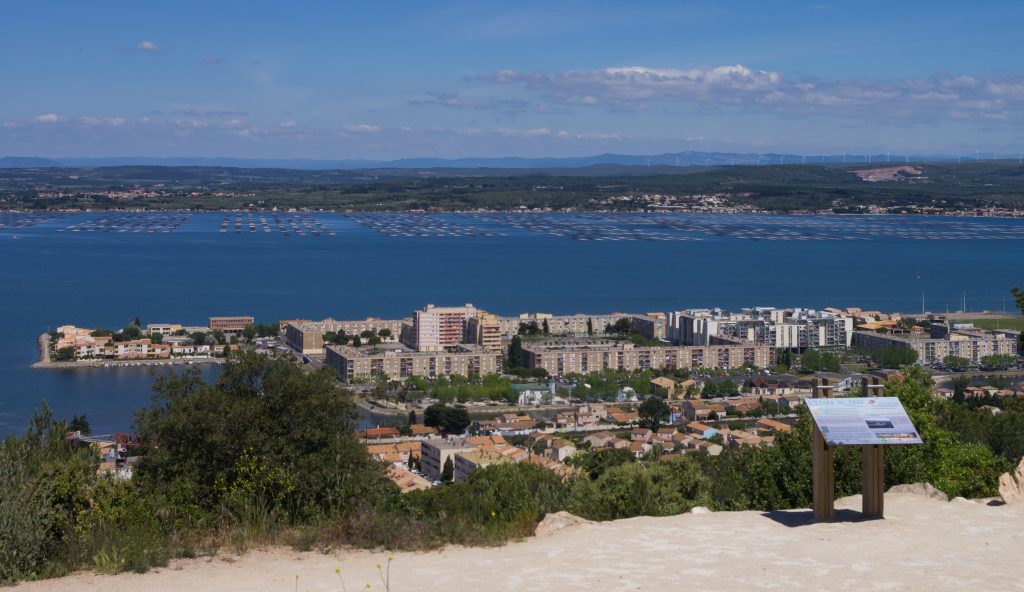
Another pillar: the shellfish farming of the Étang de Thau (Bouzigues oysters and mussels), which represents around 7,000 tons of oysters and 2,000 tons of mussels per year, for about 450 businesses and ≈2,000 jobs in the basin (approximate figures 2024). This production shapes the local gastronomy and the economy of the northern shore villages (Bouzigues, Mèze, Loupian), while supplying the markets of Sète.
Key figures — Commercial port: ≈ 5.8 M t in 2024; Thau shellfish farming: ≈ 7,000 t of oysters + 2,000 t of mussels/year; Sète–Nador ferries operated notably by GNV, crossing ≈ 39–46 h depending on rotations.
Tourism and Culture: Top 5 Must-Sees 🎯
- The Cadre Royal and its jousts — An open stage on the Royal Canal, this is where the major jousting tournaments take place, especially during Saint-Louis (late August). Unique atmosphere, traditional music, jousters in white, and blue/red boats. City of Sète Info.
- Mont Saint-Clair and the marine cemetery — Full panorama of the sea, canals, and lagoon. The cemetery houses the tomb of Paul Valéry and overlooks the Gulf of Lion.
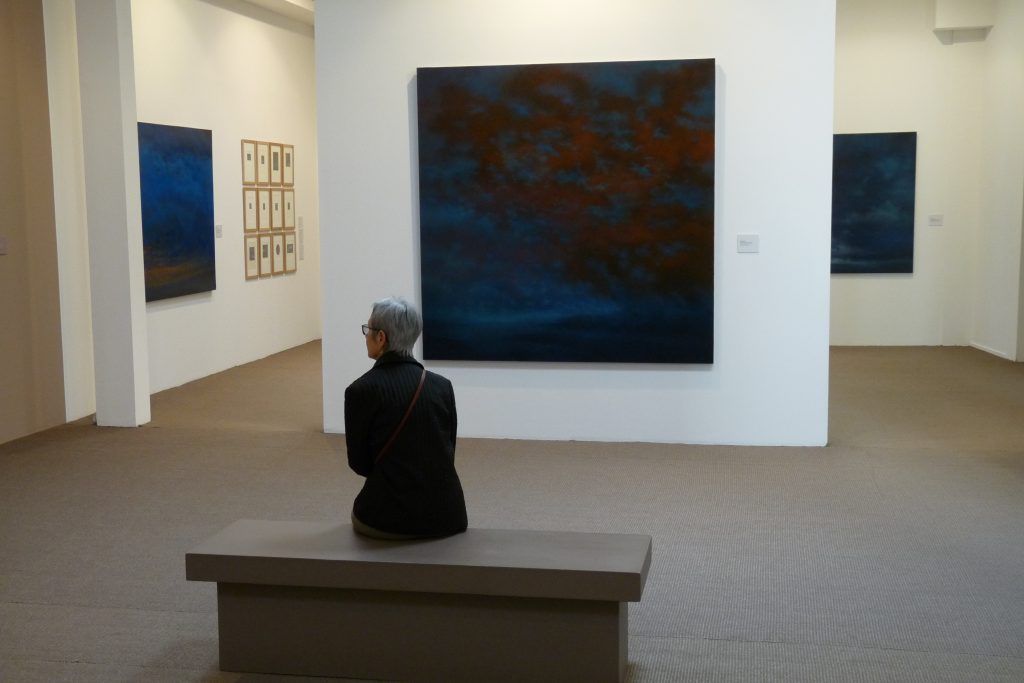
- Paul-Valéry Museum — Collections, paintings and drawings, temporary exhibitions, Mediterranean garden with a view. Hours/info: official site.
- MIAM — International Museum of Modest Arts — A “laboratory” museum founded by Hervé Di Rosa, in a former wine cellar. Schedule and prices: miam.org.
- Lido Beaches — Long sandy strip between Sète and Marseillan, restored to nature, bike paths and beach huts. Supervised swimming in season and water sports.
Culinary specialties to try
- Tielle sétoise (spicy octopus-tomato pie).
- Thau oysters and mussels cooked in brasucade style.
- Bourride of monkfish, macaronade from Sète.
- Sweets: zézettes from Sète.
Transport and access
Sète train station is located on the Mediterranean axis and serves Montpellier, Nîmes, Marseille, Toulouse, Bordeaux. TGV/OUIGO trains provide direct connections to Paris-Gare de Lyon in ≈ 3 h 38 to 3 h 45 for the fastest (average around 4–5 hours depending on trains). TER Occitanie for local coastal service. The city is explored on foot and by bike; urban bus network for beaches and peripheral neighborhoods.
Check schedules/prices: SNCF Connect.
Sea: regular ferries to Morocco (Sète–Nador), crossing time ≈ 39–46 h depending on rotations. More practical info: Direct Ferries; port activity: 2024 report.
Local life: education, sport, events
Education: nurseries, schools, middle and high schools well distributed, post-secondary offer in the metro area. Sports: boating, rowing, sailing, jousting, rugby, soccer, municipal facilities and sports beaches in summer. Events: the Saint-Louis Festival marks the summer around August 25 (tournaments, concerts, fireworks). Annual cultural season in theaters and museums, festivals (music, images, poetry) according to programming.
Natural heritage and climate
Thau Lagoon: fragile ecosystem, shellfish farming, wetlands and salt marshes. Lido: dune and coastal barrier rehabilitated to fight erosion, bike paths. The climate is Mediterranean, with hot summers and mild winters. Winds (tramontane/mistral) shape the sky and carry the regattas.
Neighborhoods and experiences: how to “read” Sète
- Center / Cadre Royal — Cafés, arcaded facades, movable bridges, markets and halls.
- Quartier Haut — Stairs, alleys, viewpoints, artists’ studios, access to the marine cemetery.
- Villeroy / Lido — Recent residential area, beaches, bike promenade.
- Île de Thau — Balconies on the lagoon, proximity to oyster parks, views over Mèze and Bouzigues.
- La Corniche — Walks above the pebbles, coves, Theatre of the Sea.
Recommended itinerary over 24–48 h
Day 1: morning climb to Mont Saint-Clair → descent to the marine cemetery → lunch tielle + oysters → canal loop via the Cadre Royal → Paul-Valéry museum → sunset along the Corniche.
Day 2: bike ride on the Lido → swim → tasting on the Thau tables → YUM in the afternoon → jousting if on the calendar.
Real Estate and Urban Planning
The Sète market combines seaside, old town center, and recent developments on the Lido/Villeroy side. On September 1, 2025, the estimate of the average price was about €3,677/m² (all property types combined), with variations depending on neighborhoods, view, condition, and distance to the beach/canals. The 2025 dynamic in France has become slightly upward again after the 2023 correction, but micro-markets remain heterogeneous.
- Old center: fishermen’s buildings, small units, stairs, charm, rare elevators.
- Villeroy/Lido: recent residences, terraces, parking, sea view premiums.
- Corniche: coast supported by the view and proximity to coves.
- Île de Thau: more affordable prices, but to be considered in connection with urban projects and services.
Price and trend sources: MeilleursAgents; national 2025 trend: Le Monde — real estate market.
Practical Tips
- Period: May–June and September for mild weather and less crowd; late August for Saint-Louis if you want to experience the jousting.
- Soft mobility: favor biking and walking between the center, Corniche, and beaches.
- Reservations: jousts and public holidays saturate the offer; anticipate accommodations and restaurants.
- Tastings: choose certified producers around Bouzigues/Mèze; respect the fragile lagoon areas.
Useful Links and Official Resources
- City of Sète — Jousting & Saint-Louis; Cadre Royal.
- INSEE — Local data Sète; Legal populations 2021.
- Port of Sète — 2024 Activity Report.
- MIAM — official site; Paul-Valéry Museum — official site.
- Access — Paris ↔ Sète; Sète–Nador ferries: practical info.
FAQ
When to visit Sète to avoid the crowds?
May–June and September offer mild weather, calm sea, and fewer visitors. At the end of August, the city is very lively for Saint-Louis.
Which local specialties should you try?
The Sète tielle, oysters and mussels from Thau, monkfish bourride, macaronade, and zézettes for dessert.
Can you see jousting outside of Saint-Louis?
Yes, tournaments are organized in the summer on the Cadre Royal according to the jousting societies’ schedule. Check with the town hall or the city website for information.
How long does the Paris–Sète train take?
The fastest direct trips last about 3h38–3h45 depending on TGV/OUIGO. Most connections are around 4–5 hours.
Where to swim in Sète?
The Lido and Corniche beaches are supervised during the season. The dune cordon is protected: please respect the marked access points.
Does the port offer international connections?
Yes, ferries connect Sète to Morocco (for example to Nador), depending on the periods and operators. Indicative crossing time: 39–46 hours.